Rut and Tsoek moved from Bristol to Catalunya and built a timber frame villa in the mountains in under nine months. This is an honest account of what went smoothly, what surprised them and what the construction mortgage process for a timber frame build in Spain actually looks like.
Building a House in Spain with a Timber Frame: One Couple's Story in Catalunya
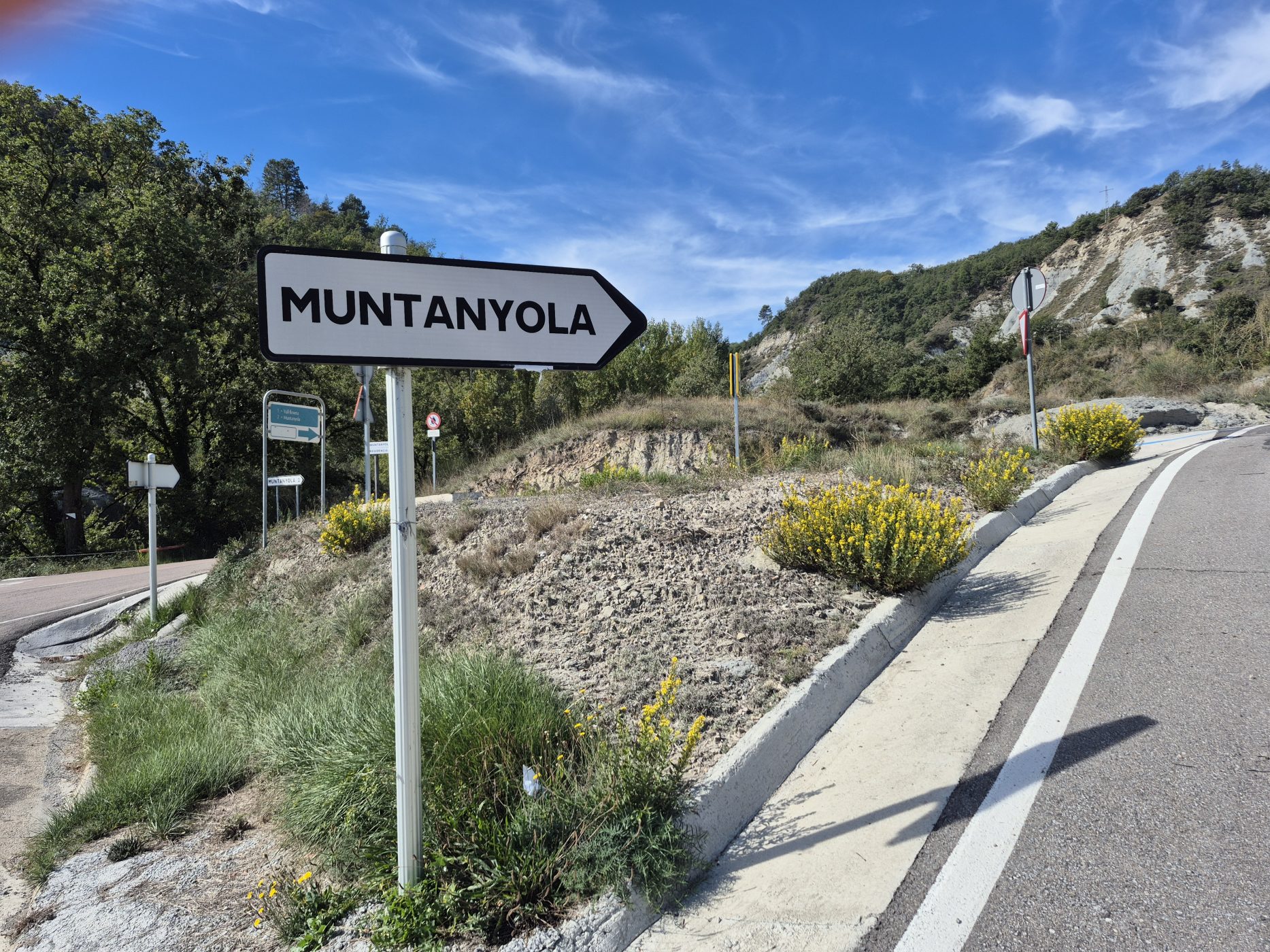
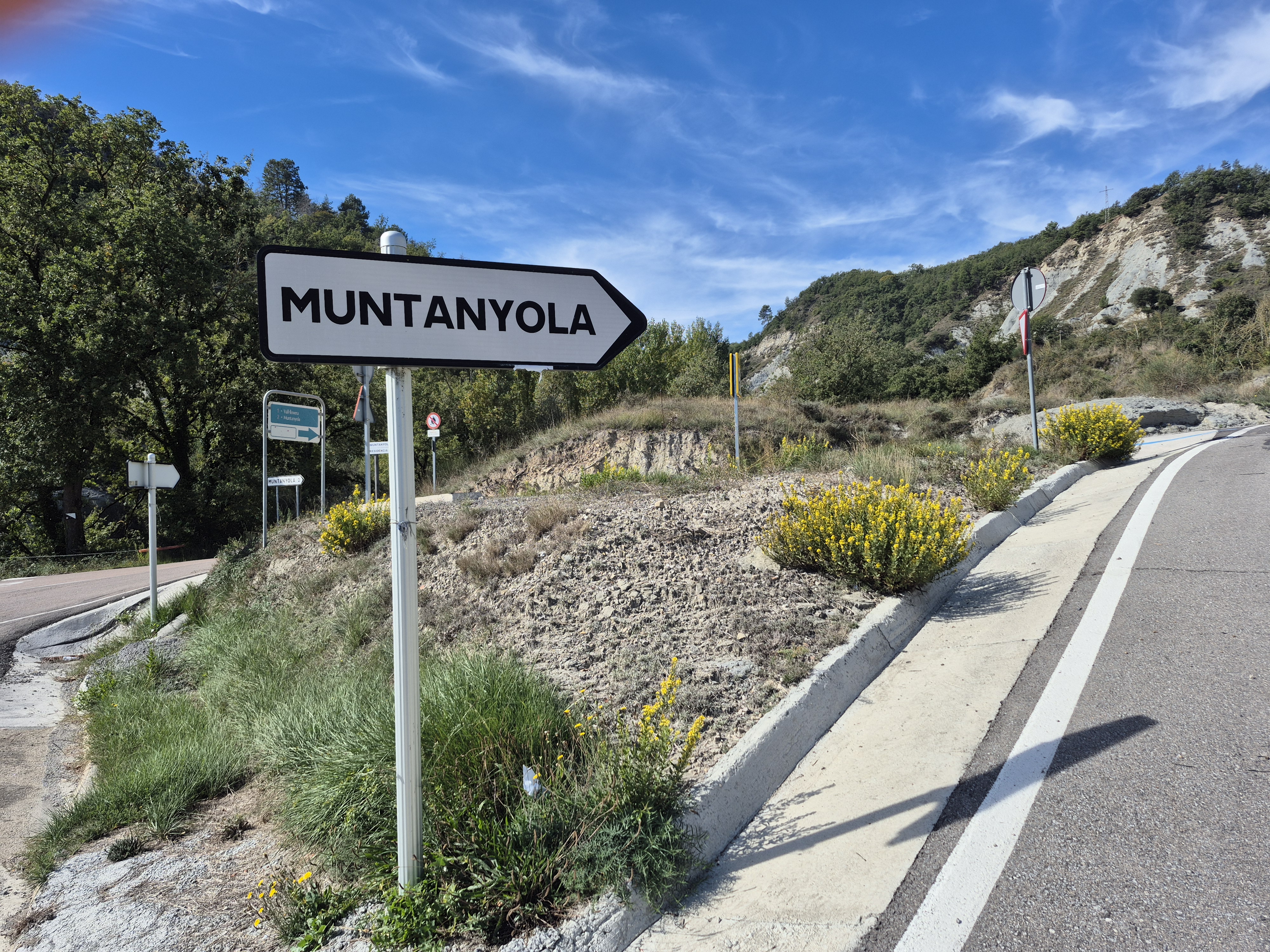
A British-Spanish couple decided they wanted to live in the mountains. Not near the mountains, not with a view of the mountains — in them. When they found a plot in Muntanyola, a small village in Catalunya close to nature and the Pyrenees, they stopped looking. They bought the land and began designing a timber frame villa around the life they actually wanted. They moved in less than nine months later.
That timeline is unusual for building a house in Spain. Most people are told to expect delays, complications and a process that feels opaque from the outside. Rut and Tsoek’s experience was different not because nothing went wrong, but because the right team was in place when it did.
Why They Chose to Build Rather Than Buy
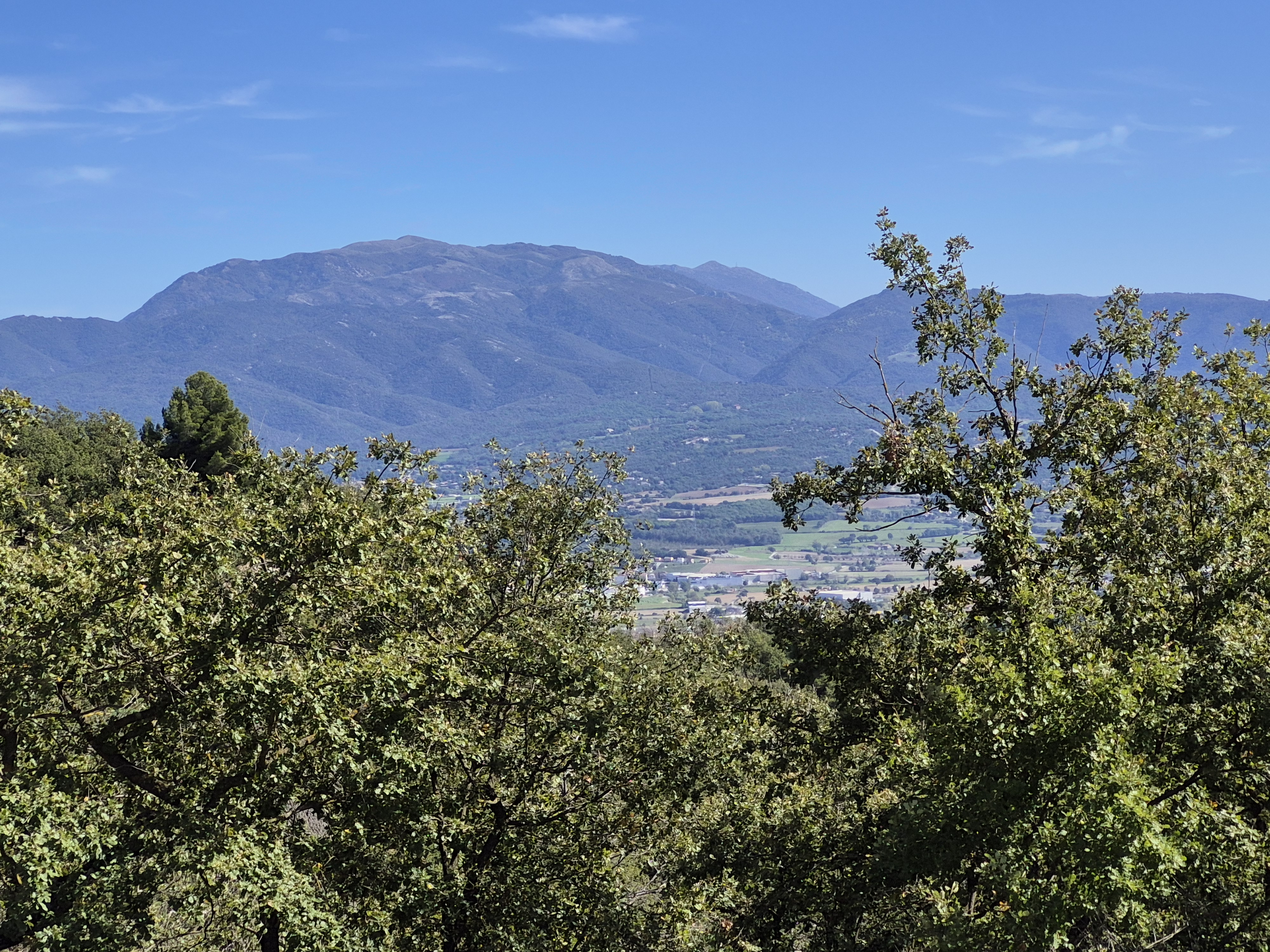
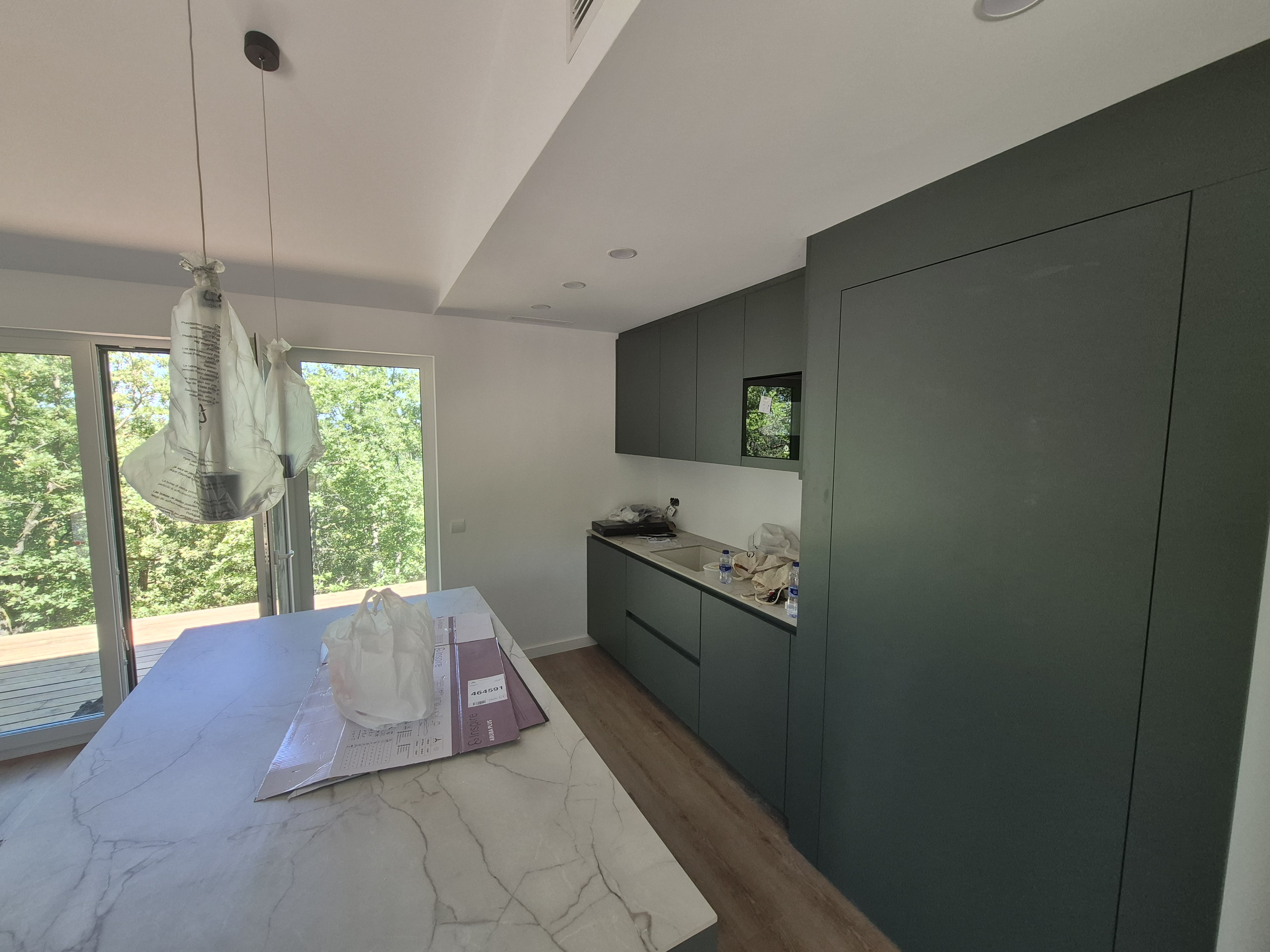
The answer is straightforward. Buying an existing property would have meant compromising. Building a house in Spain meant designing for the life they had in mind: a home embedded in nature, with direct access from every bedroom to the outside, a kitchen island at the centre of the day area and views of the Pyrenees from the master bedroom.
“We’ve always said together that we wanted to build something together,” Tsoek explained. “Something we can call ours ours.”
That clarity of vision is something we see in many of our best projects. The clients who know what they want, such as how they will use the house, how they want to feel in it, what connection to the land matters to them, tend to produce the best outcomes. The design serves the life, not the other way around.
The Timber Frame Question and the Bank’s Answer
There is a specific difficulty with building a timber frame house in Spain that is worth being direct about. Most Spanish banks do not offer construction mortgages for timber frame structures. When Rut and Tsoek approached lenders, they heard no, repeatedly, without a clear reason given.
“When we tell them it’s made from wood, I think they just think of a cabin,” Choc said. In Spanish, the phrase is *una casa de madera* — a wooden house. The connotation in Spain is a shed, something temporary, something that might not hold a mortgage.
In English-speaking countries, a modern timber frame is a well-understood construction method with a long track record. In Spain, it is newer and the banking system has not yet caught up. This does not mean it is impossible. Rut and Tsoek found a lender but it took longer than it should have, and even after approval the bank was slow to release funds during the build itself. Tsoek was phoning them every day at points.
If you are considering a timber frame build in Spain and need finance, build extra time into your planning for the mortgage process. It is manageable, but it is not straightforward.
What Went Well and Who Made the Difference
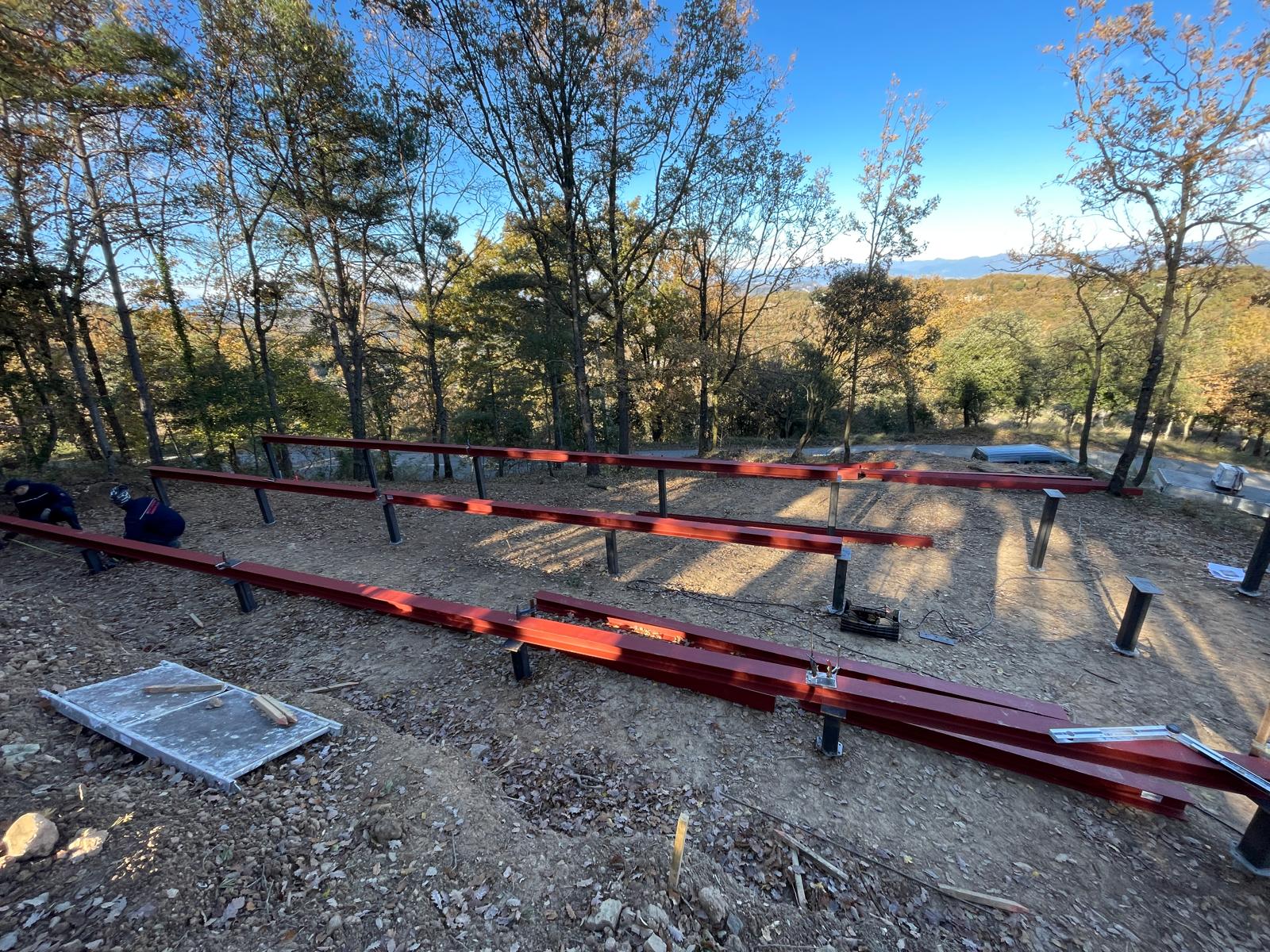
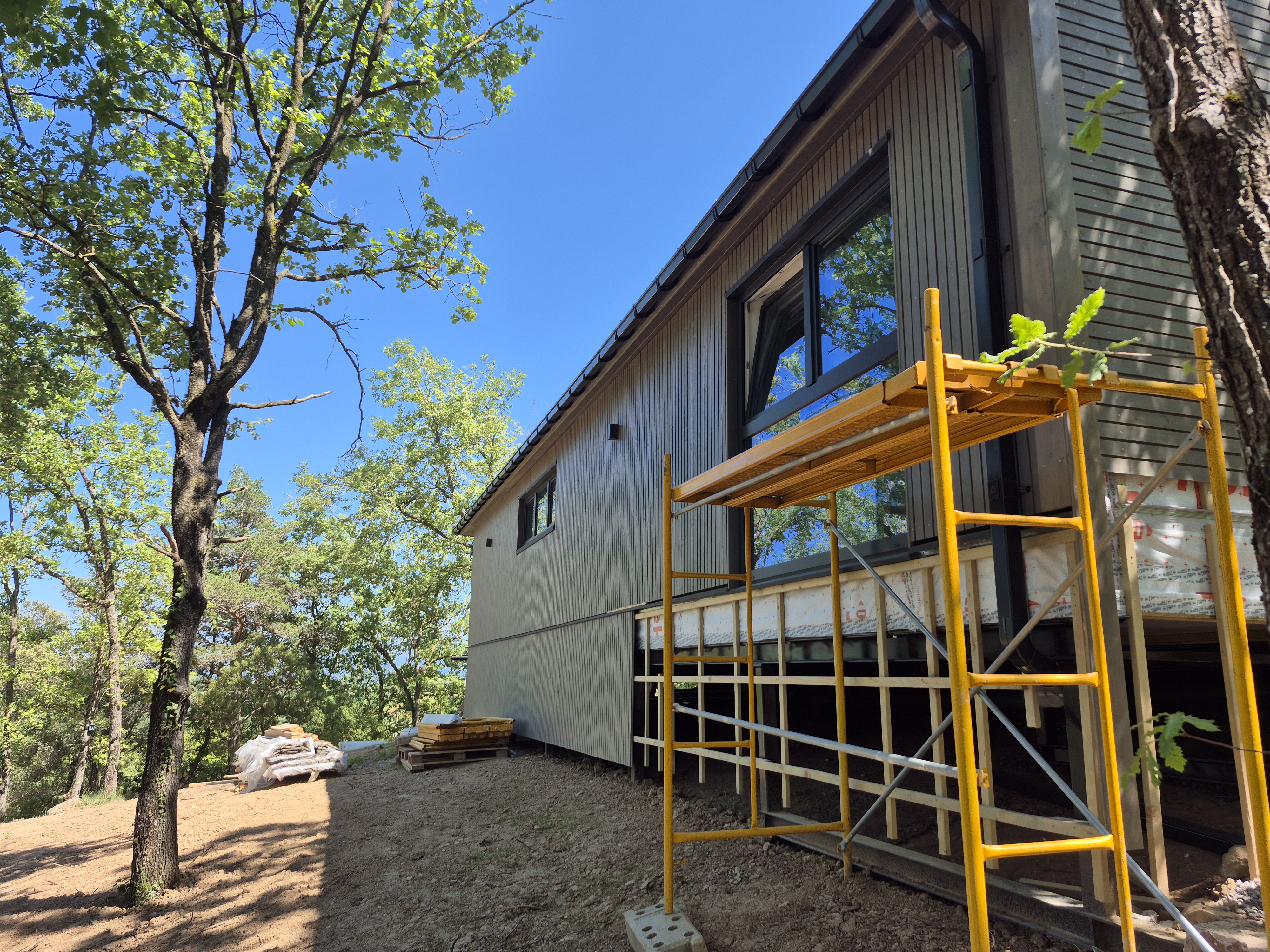
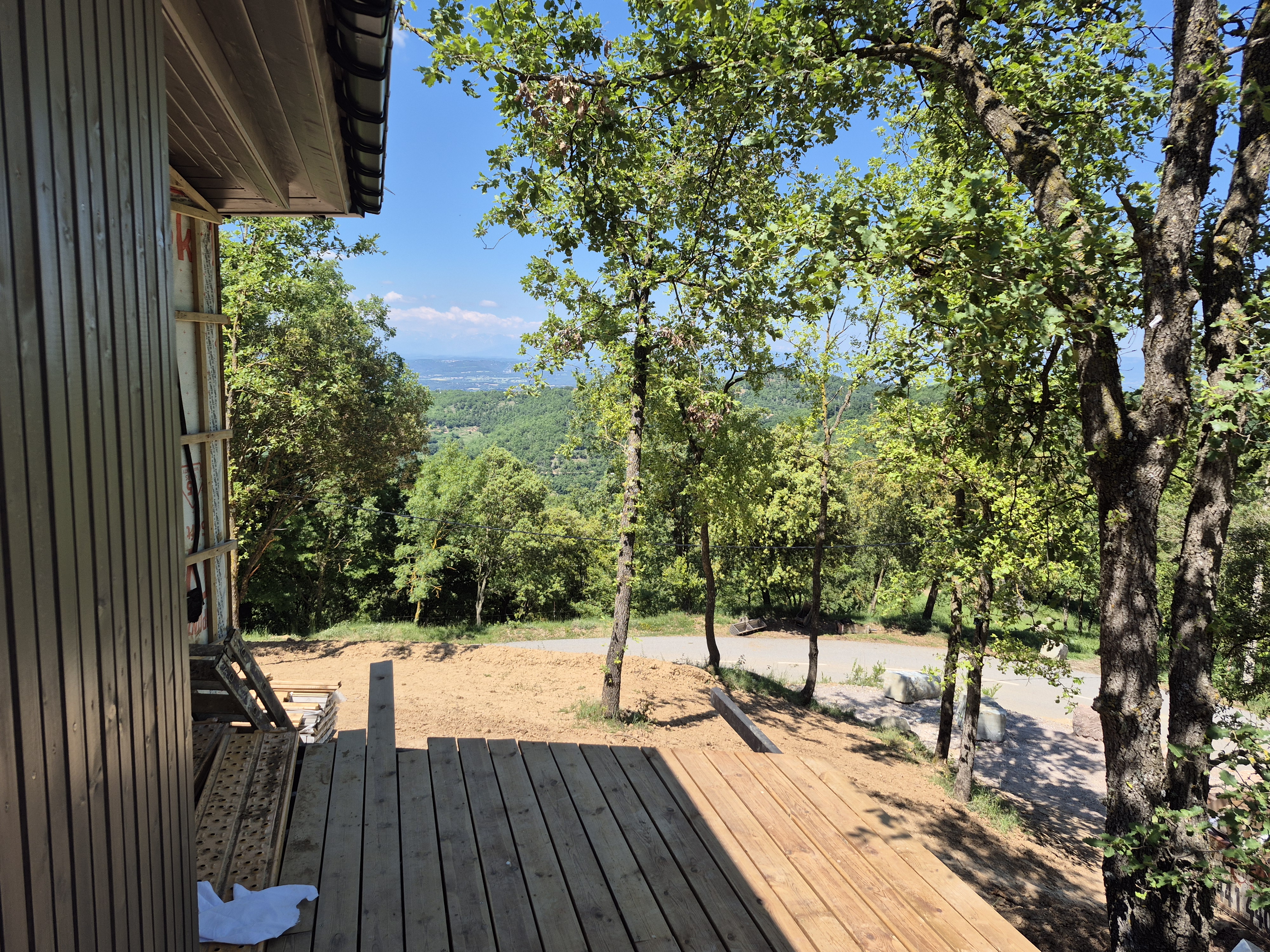
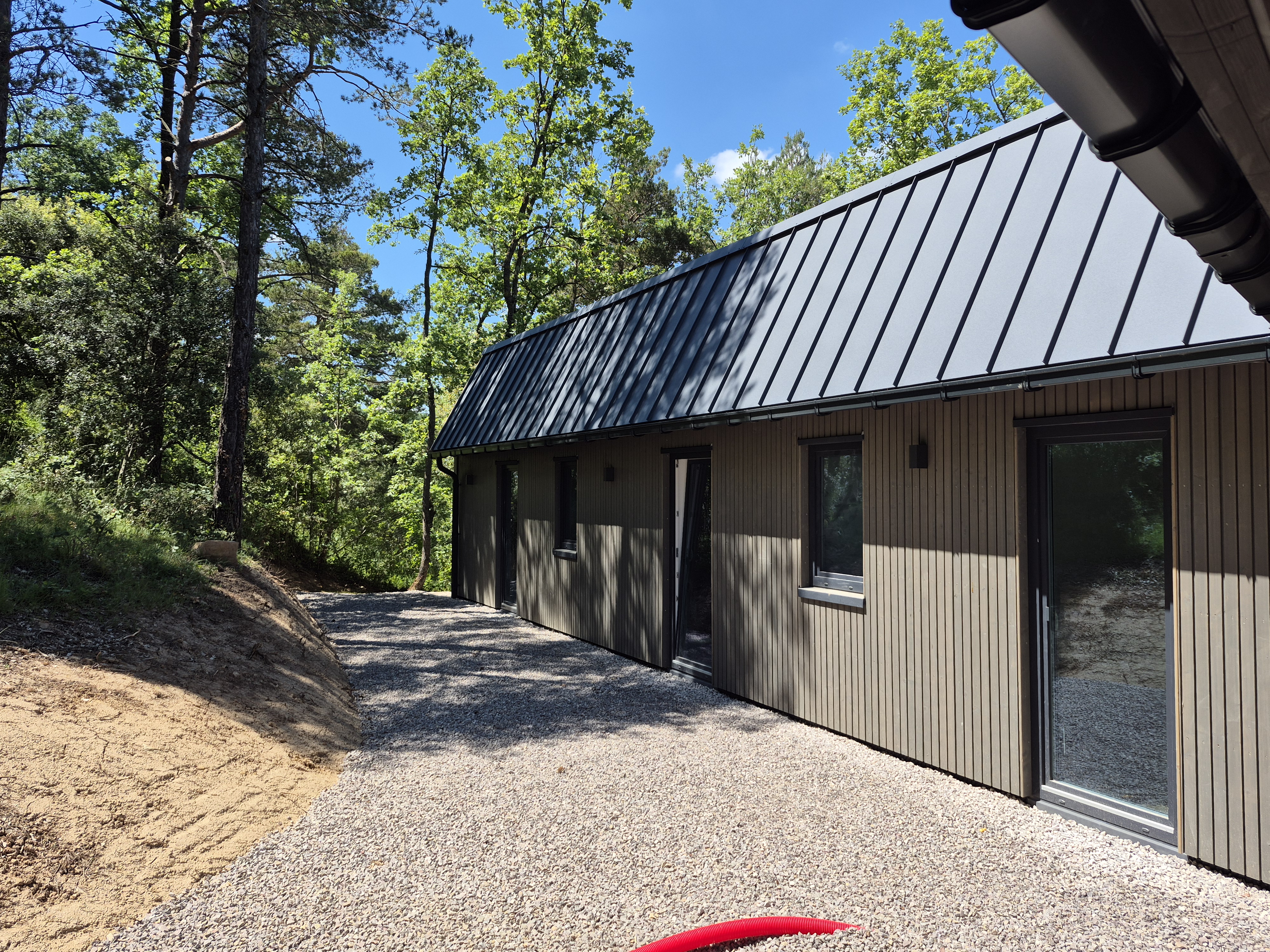
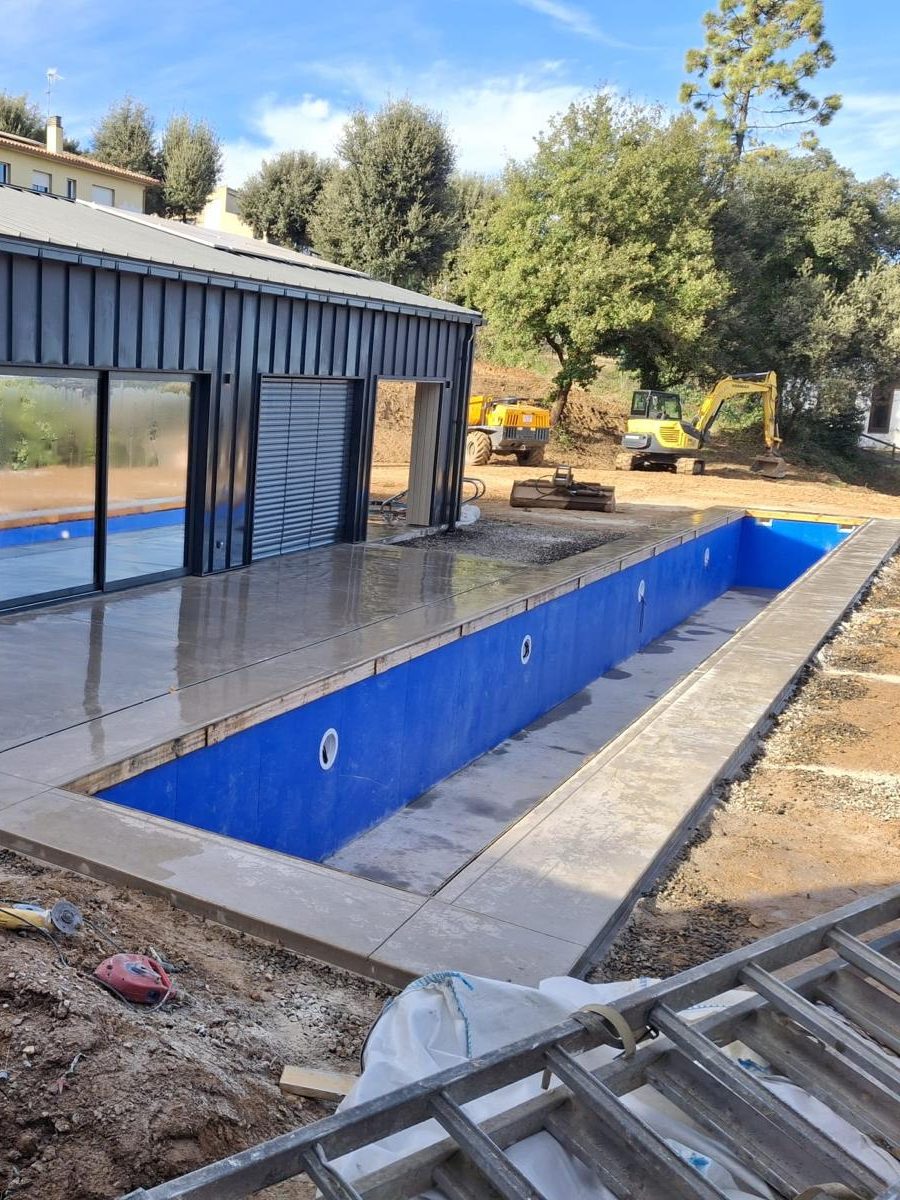
The build itself ran smoothly. From breaking ground in October to being ready to move in by late June, under nine months for a three-bedroom villa with a full courtyard layout, natural stone retaining walls and a south-facing terrace, is a genuine result.
The contractor, Marius, was singled out repeatedly. “His communication, the way he was telling us how everything was going, the photos, the updates, he made everything just seem like all builds are this smooth,” Tsoek said. “They’re not,” Rut added immediately.
What this illustrates is something that does not show up in any specification document: the quality of communication during a build. A good contractor explains decisions before making them. Marius proposed the gravel terrace as an idea, explained why he thought it would work and gave Rut and Tsoek time to think. They were hesitant. They said yes. Now it looks, in their words, amazing. That is how a good working relationship functions — the client retains control, the professional brings knowledge, and trust is built one decision at a time.
The architect, Guillem, was equally committed. Early in the process, Tsoek had asked whether they could use foundations that would cause minimal damage to the land; an unusual brief that Guillem was not immediately sure was achievable. He researched it. He came back with a solution. “If one day we didn’t want it,” Choc said, “we could pick it up and there’ll be no damage to the land.”
The Surprises — Costs That Were Not in the Original Budget
Two unexpected costs came up. The first was connecting to the mains water supply, which involved opening the road. It was not a small cost. The second was weather-related: heavy rainfall caused a natural retaining wall to collapse during construction, requiring rocalla reinforcement. Both items added to the final budget.
There is a lesson here that applies to every build in Spain. The process of building a house requires a contingency fund, not as a pessimistic assumption but as a practical one. Some costs only reveal themselves once you are on site. An honest cost appraisal at the outset helps, and the detailed budget spreadsheet provided throughout the project was something Rut and Tsoek returned to throughout the process. “That really helped us go: can we continue with this dream?” Tsoek said.
Their Advice for Anyone Considering a Self-Build in Spain
Rut and Tsoek were asked directly what they would tell someone thinking about building their own home in Spain. Three things came up.
Have enough funding. Building in Spain requires capital; for the land, the construction costs and an honest contingency margin for the unexpected. If you are relying on a construction mortgage, be aware that the process takes longer than you might expect.
Be patient with the bank, not with the builder. The frustration in this project was not with the construction process but with the lender. A good contractor will work with you. Banks move at their own pace.
Take time in the design stage. Tsoek was specific about this: think about how you will actually use the space, not just how it will look. “Is it the amount of space you need? Is it the land outside rather than the house? Are you going to live just inside your house or do you want to extend it to the exterior parts?” The design of the house created natural shade without a pergola, direct outdoor access from every room and a connection to the surrounding trees that makes the house feel considerably larger than its footprint.
A House That Disappears into the Trees
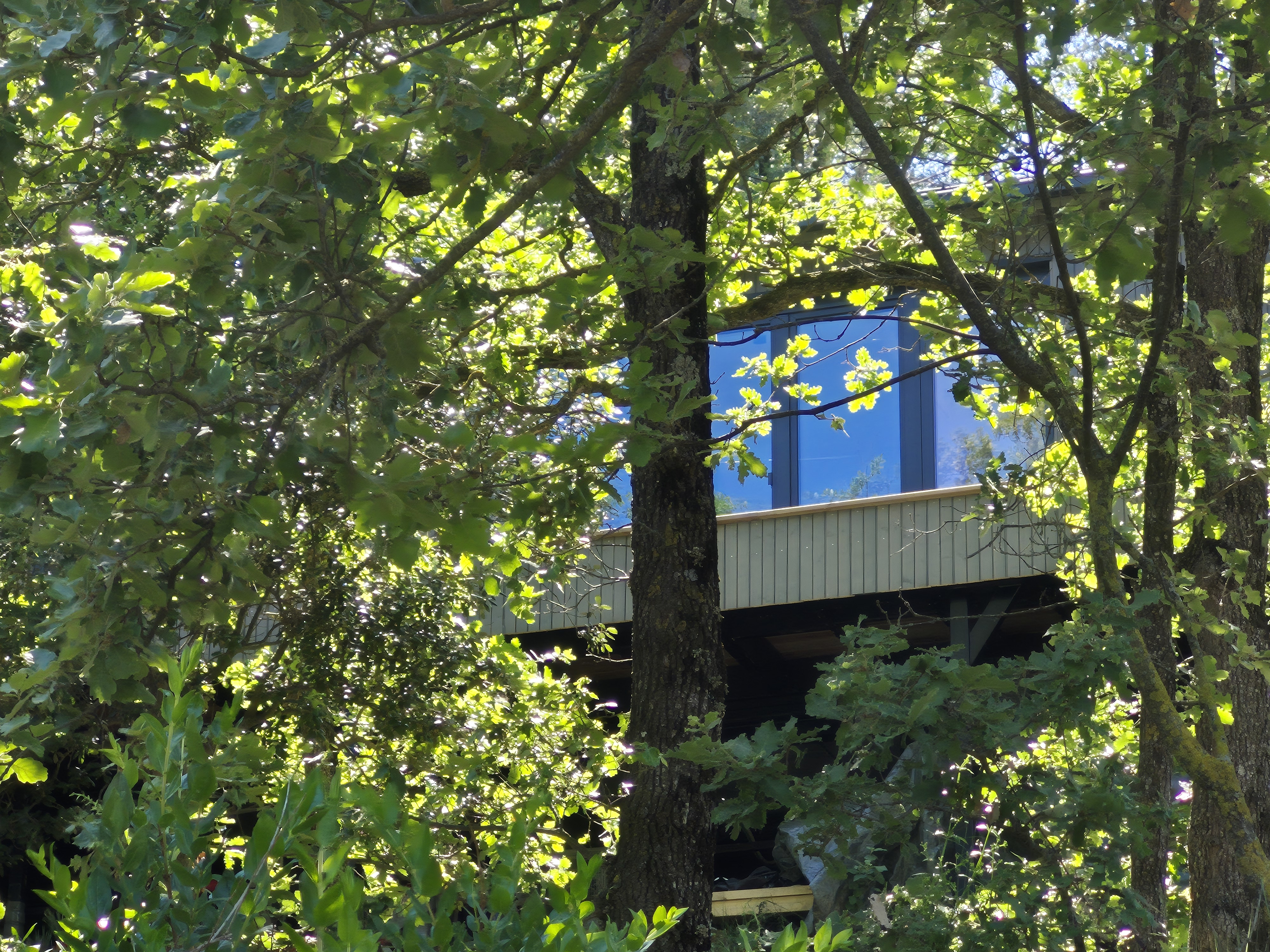
From the road, you cannot see the house. The trees absorb it entirely. That was intentional. Rut and Tsoek wanted to be in nature, not placed beside it. Inside, the master bedroom has a picture window facing the Pyrenees. The kitchen runs into the dining area and then the living room, with a fireplace planned at the far end. Every bedroom opens directly onto the courtyard.
Building a house in Spain is not a simple process. But when the vision is clear, the team is right and the design is built around how you actually want to live, the result speaks for itself.
You can watch John’s full walkthrough of the project with Ruth and Choc on the Eco Vida Homes YouTube channel.
Planning your dream villa in Spain?
Whether you’ve already got a plot or you’re just starting to explore the possibilities, a call with John, our founder and British Chartered Surveyor, is the perfect place to begin. No pressure – just expert guidance from someone who’s been helping people build in Spain for over 30 years.
👉 [Book Your Free Discovery Call]
Let’s explore how your dream home could take shape.
Book a private consultation
A confidential, no-pressure conversation to see if we’re the right fit.
