Is it possible to build on rustic land near Denia? Learn what really matters, what’s often misunderstood, and how experience can change what’s possible.
Building on Rustic Land Near Denia: What’s Actually Possible?
If you’ve spent any time looking at land in Spain, particularly near the coast, you’ve probably heard the phrase “rustic land” delivered with a sharp intake of breath. Often followed by, “You can’t build there.”
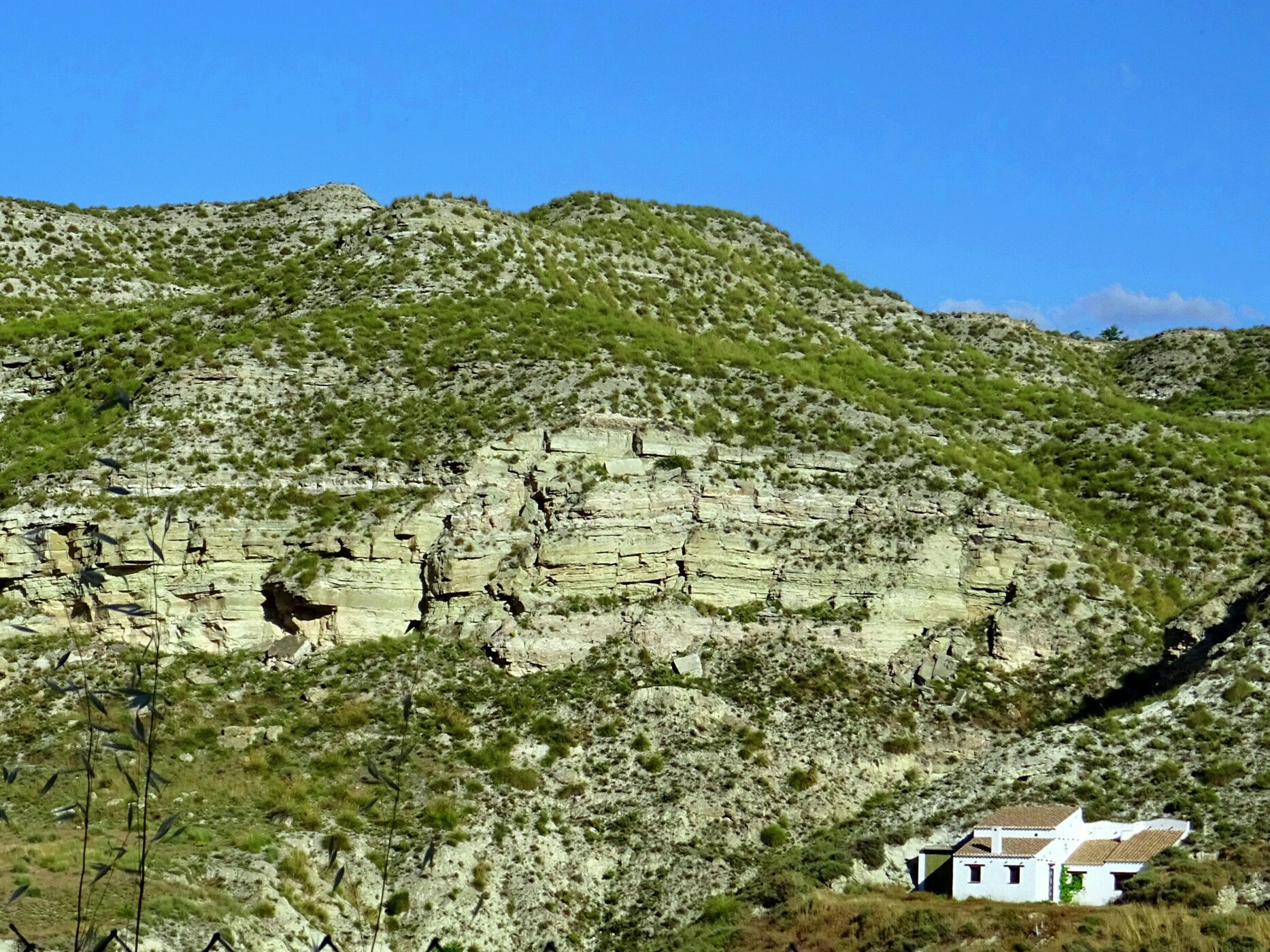
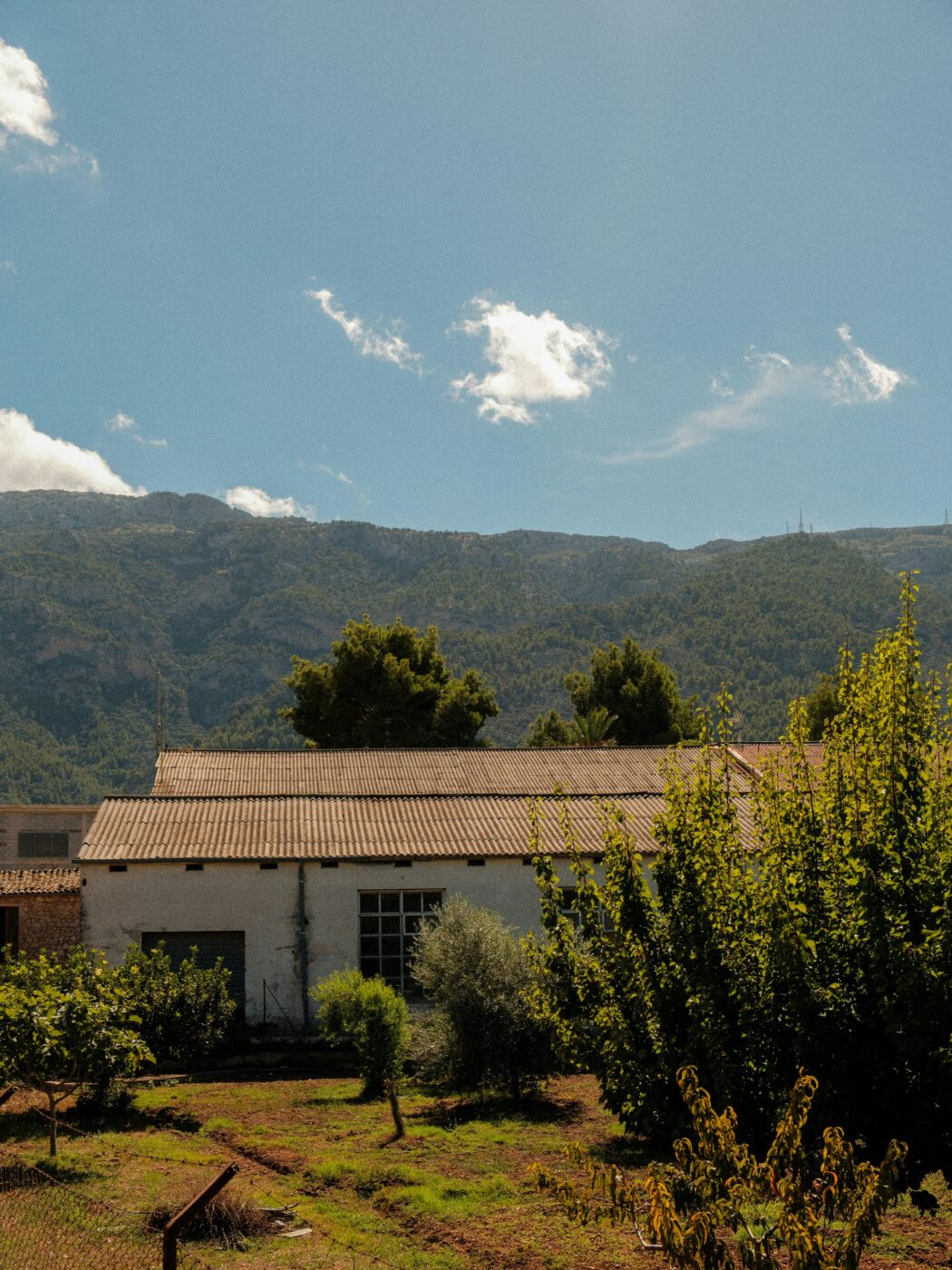
This week’s video was filmed just inland from Denia, around five minutes from the Mediterranean, early in the morning as the sun came up. Standing on a beautiful plot surrounded by greenery, I said, “I’m just inland from Denia, about five minutes from the beach… I’m out in nature, just lots of greenery and vegetation.” It is exactly the kind of setting that makes people start imagining a different way of living.
The truth is, building on rustic land in Spain is not simple. But it is also not automatically impossible. The gap between those two ideas is where experience matters.
Why Rustic Land Attracts So Much Interest
Rustic land appeals because it offers things that urban plots rarely do. Space, privacy, nature and often proximity to the coast without being surrounded by development. In areas like Denia, it is sometimes the only way to enjoy countryside living while still being close to beaches, restaurants and services.
Many buyers are looking for flexibility. A home that works as a holiday base now, somewhere family can gather from across Europe, and perhaps a retirement home later on. That was exactly the brief here. A potential client from Germany wants to build a simple, comfortable and energy efficient home that adapts over time.
That kind of brief makes sense. The challenge is matching it with the realities of Spanish planning law.
What Rustic Land Really Means in Spain
In Spain, rustic land is protected land. The rules exist to safeguard agricultural use and natural landscapes. That protection is not a bad thing, but it does mean that planning is more complex and far more localised than many people expect.
There is no single national rule that says you can or cannot build. What matters are factors such as plot size, classification, access, existing services, environmental protections and how the house is designed.
As I explain in the video, “It’s complicated because this is rustic land but we’ve done it before and we believe we can get him a building licence.” That belief is not guesswork. It comes from understanding how the system works in practice.
Design Is Not Just About How a House Looks
One of the biggest mistakes people make is assuming design is purely aesthetic. On rustic land, design is strategic.
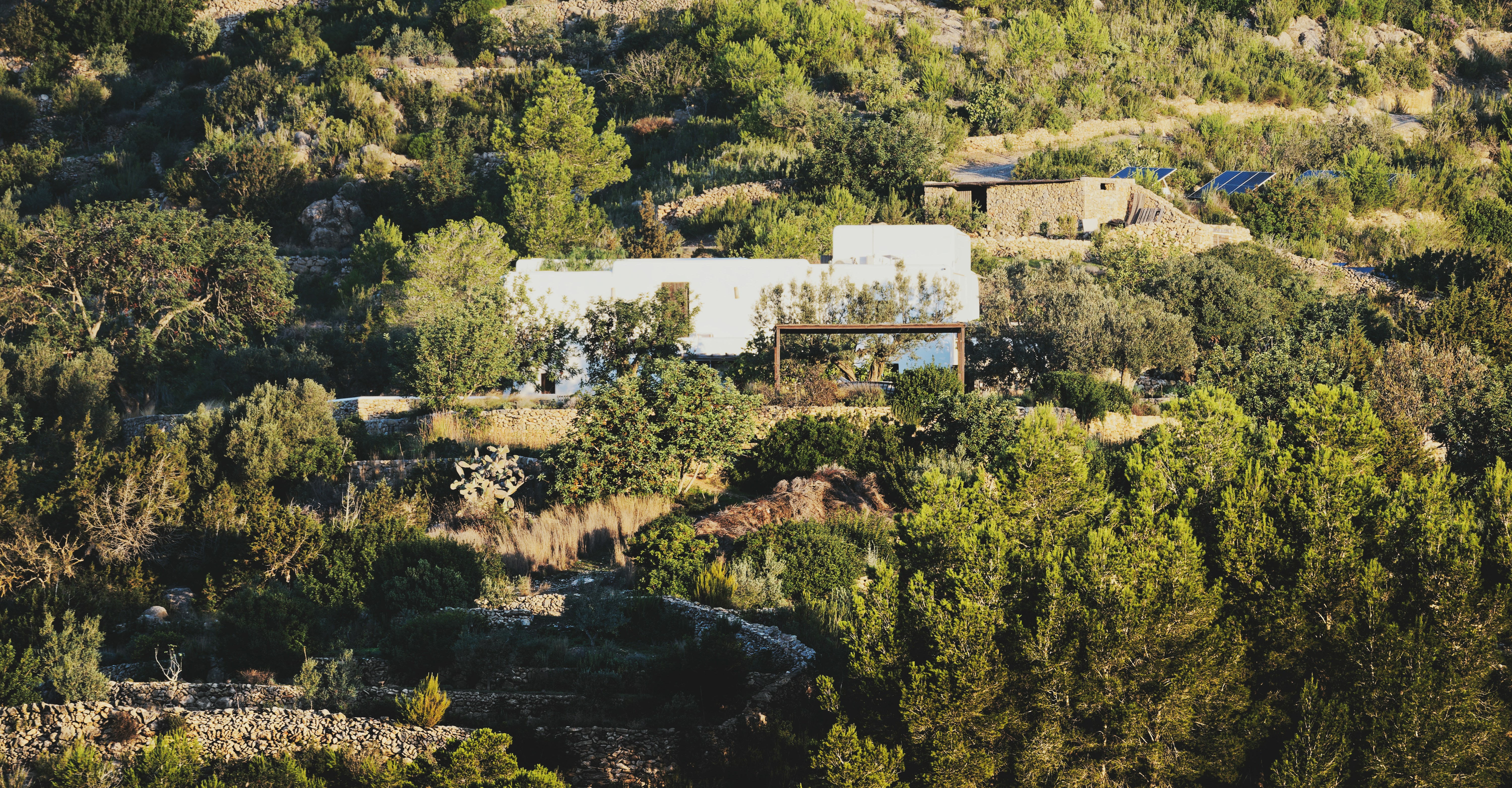
A large, visually dominant house that ignores the landscape is far less likely to succeed than a modest, well-considered home that sits comfortably within it. Scale, height, footprint and materials all matter.
At Eco Vida Homes, we often talk about creating a platform for living rather than just a building. That platform needs to respect the land, comply with planning requirements and still deliver comfort, efficiency and longevity.
This is where energy efficiency becomes a strength rather than a compromise. A carefully designed, low-impact home that uses passive principles, good orientation and modern construction techniques aligns far better with the intent of rustic land regulations.
Why Experience Changes the Outcome
Many people receive blanket advice that building on rustic land is not allowed and stop there. Others push ahead without proper guidance and encounter expensive problems later.
The difference between those two outcomes often comes down to experience. Knowing when a project is viable, when it needs adapting and when it simply will not work is part of our role.
We have worked on rural and semi-rural plots across the Costa Blanca and beyond. That experience allows us to assess feasibility early, before clients commit emotionally or financially.
As I say in the video, the aim here is to create “a well-designed platform for him and his family to live their best lives in this wonderful place.” That only happens when planning, design and long-term use are considered together.
The Importance of Starting With the Right Questions
Before drawings or budgets, the most important step is asking the right questions.
What is the long-term intention for the house?
How often will it be used and by whom?
What level of maintenance is realistic?
How will energy costs be controlled over time?
On rustic land, these questions are not optional. They influence everything from layout to materials to planning strategy.
Simple, comfortable and efficient often works better than large and complex. Especially when a home needs to evolve from holiday use into something more permanent.
Location Still Matters
One of the reasons this plot is so appealing is its location. Just inland from Denia, close to the Mediterranean, but surrounded by nature. It offers the best of both worlds if handled correctly.
Denia itself continues to attract international buyers for good reason. It offers year-round life, strong infrastructure, excellent food culture and easy access to both Valencia and Alicante airports. Being slightly inland often provides more space and better value while staying connected.
That balance is what draws people to rustic plots near the coast.
Seeing It for Yourself
Reading about rustic land gives you part of the picture. Seeing the plot, the setting and hearing the reasoning behind the approach gives you the rest.
Planning your dream villa in Spain?
Whether you’ve already got a plot or you’re just starting to explore the possibilities, a call with John, our founder and British Chartered Surveyor, is the perfect place to begin. No pressure – just expert guidance from someone who’s been helping people build in Spain for over 30 years.
👉 [Book Your Free Discovery Call]
Let’s explore how your dream home could take shape.
Book a private consultation
A confidential, no-pressure conversation to see if we’re the right fit.
