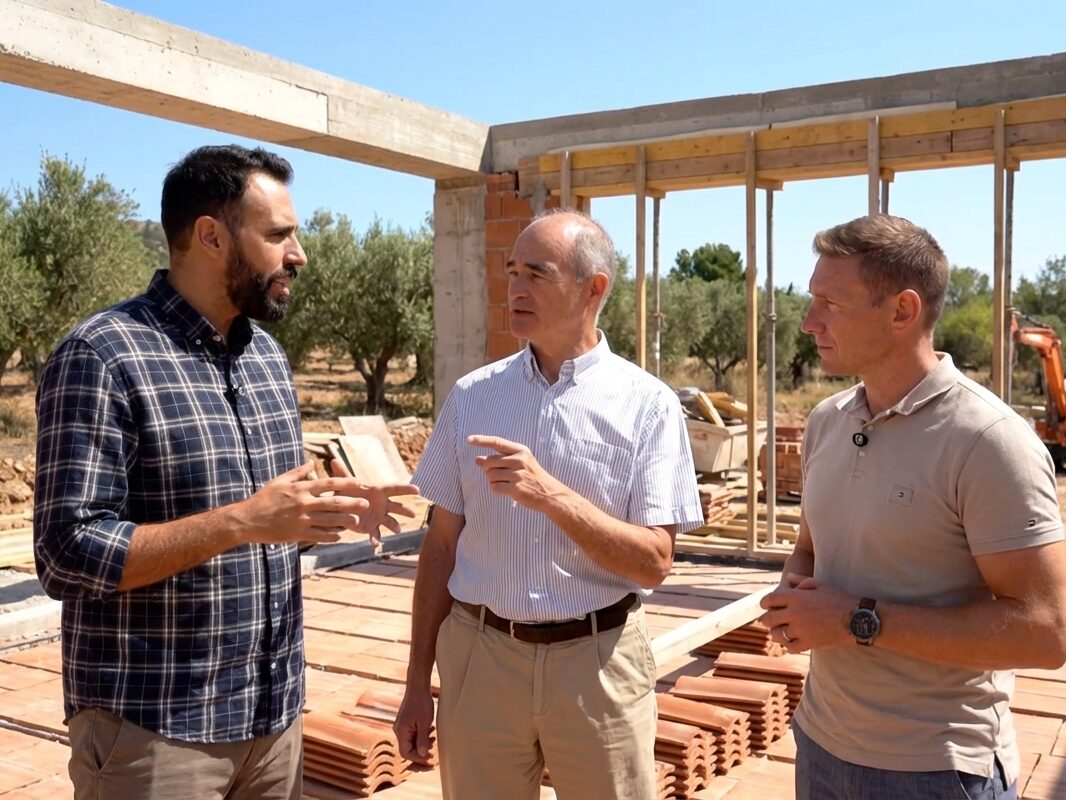
We spoke to Architect and Builder Marius and Guilheim about what it’s like to work for Eco Vida Homes and What Have been their Favourite Projects to Date.
Building a Villa in Spain: The Reality of Design, Cost & Bureaucracy
Building a home in Spain often feels like a romantic dream that quickly meets the cold reality of regional paperwork. If you have been browsing plots in Andalusia or the Costa del Sol, you have likely realised that the distance between buying a piece of land and actually having a glass of wine on your terrace is paved with complex decisions.
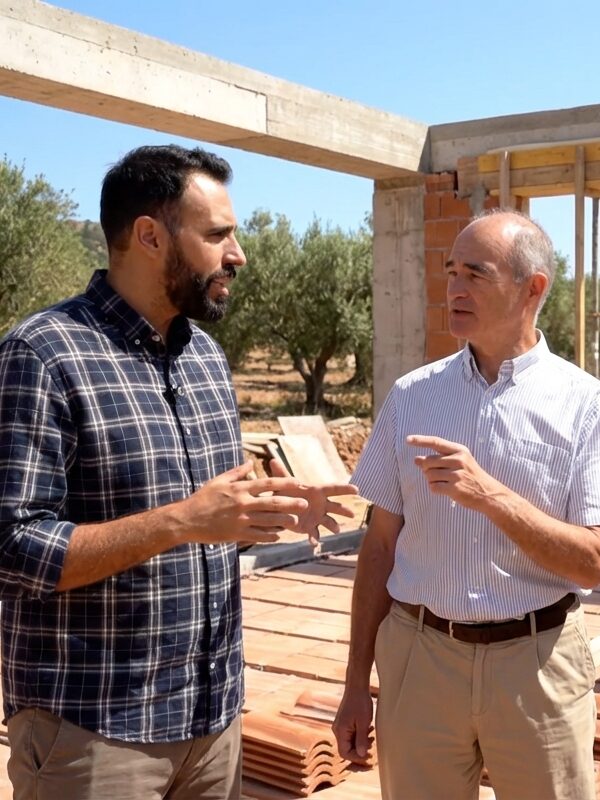
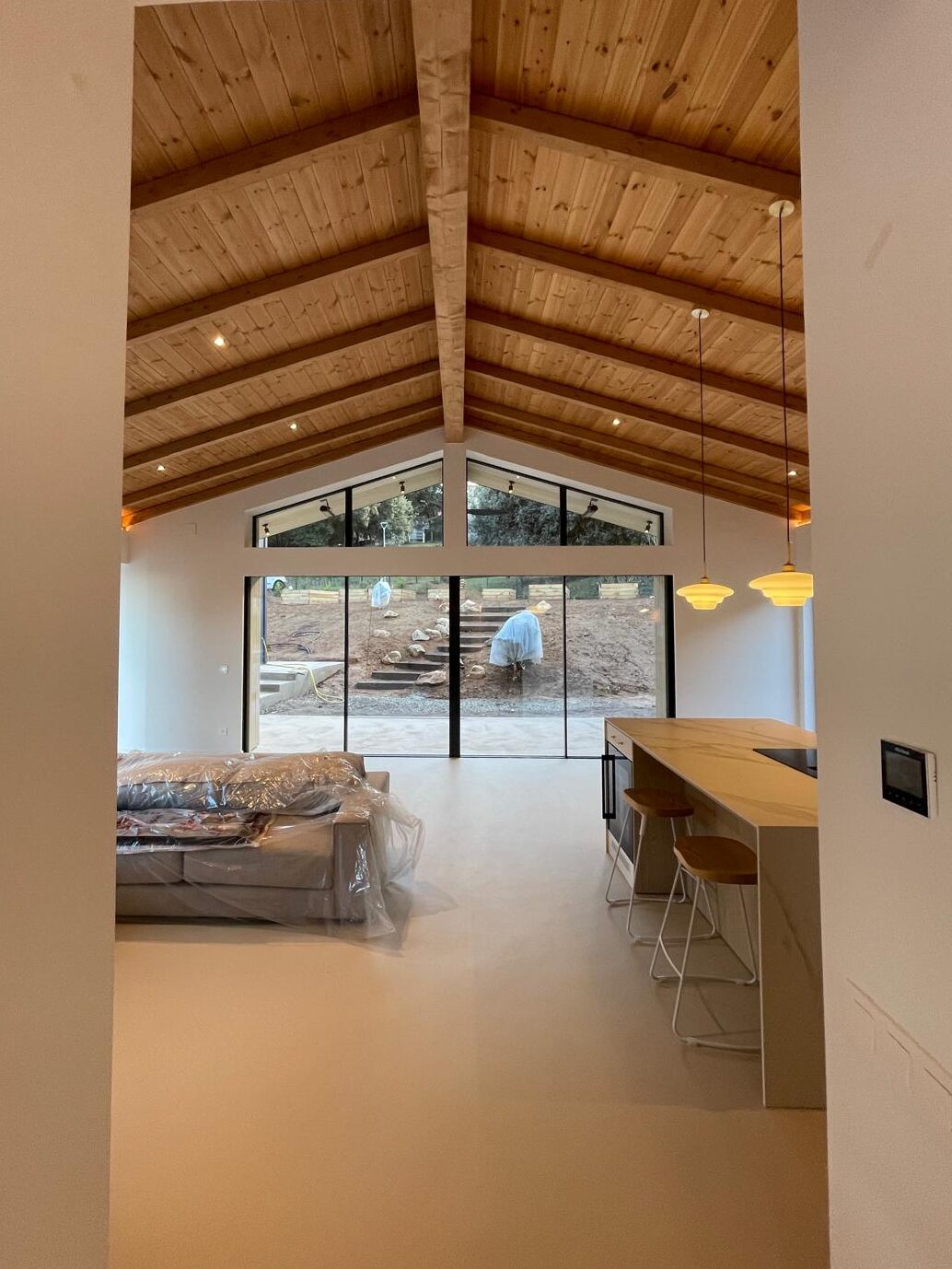
I recently sat down with two of our most trusted partners: Guilhem, a lead architect, and Marius, a master builder. We were inside a villa we are finishing for our clients, Christian and Olga. We wanted to move past the glossy brochure talk and get into the “nitty-gritty” of bespoke construction. I told them straight away, “You have both done such a fantastic job in this villa. I love the villa.” But beyond the aesthetics, we needed to talk about how we actually got here.
The Heart of the House is Not Always the Kitchen
We often hear that the kitchen is the hub of the home. However, when you are building a custom villa, the “heart” is wherever you spend your most meaningful time. For this specific project, the clients had a clear vision that challenged traditional Spanish layouts.
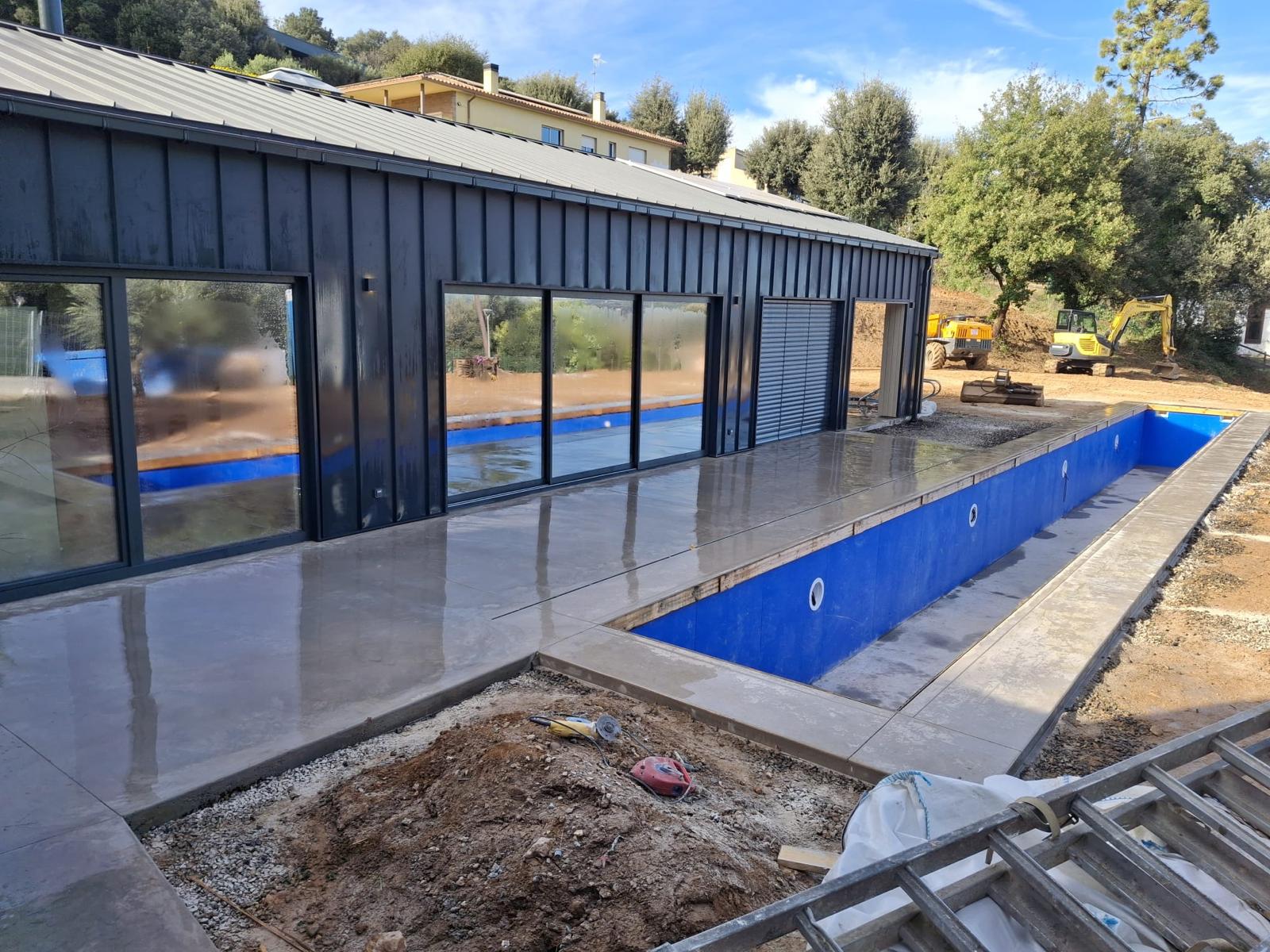
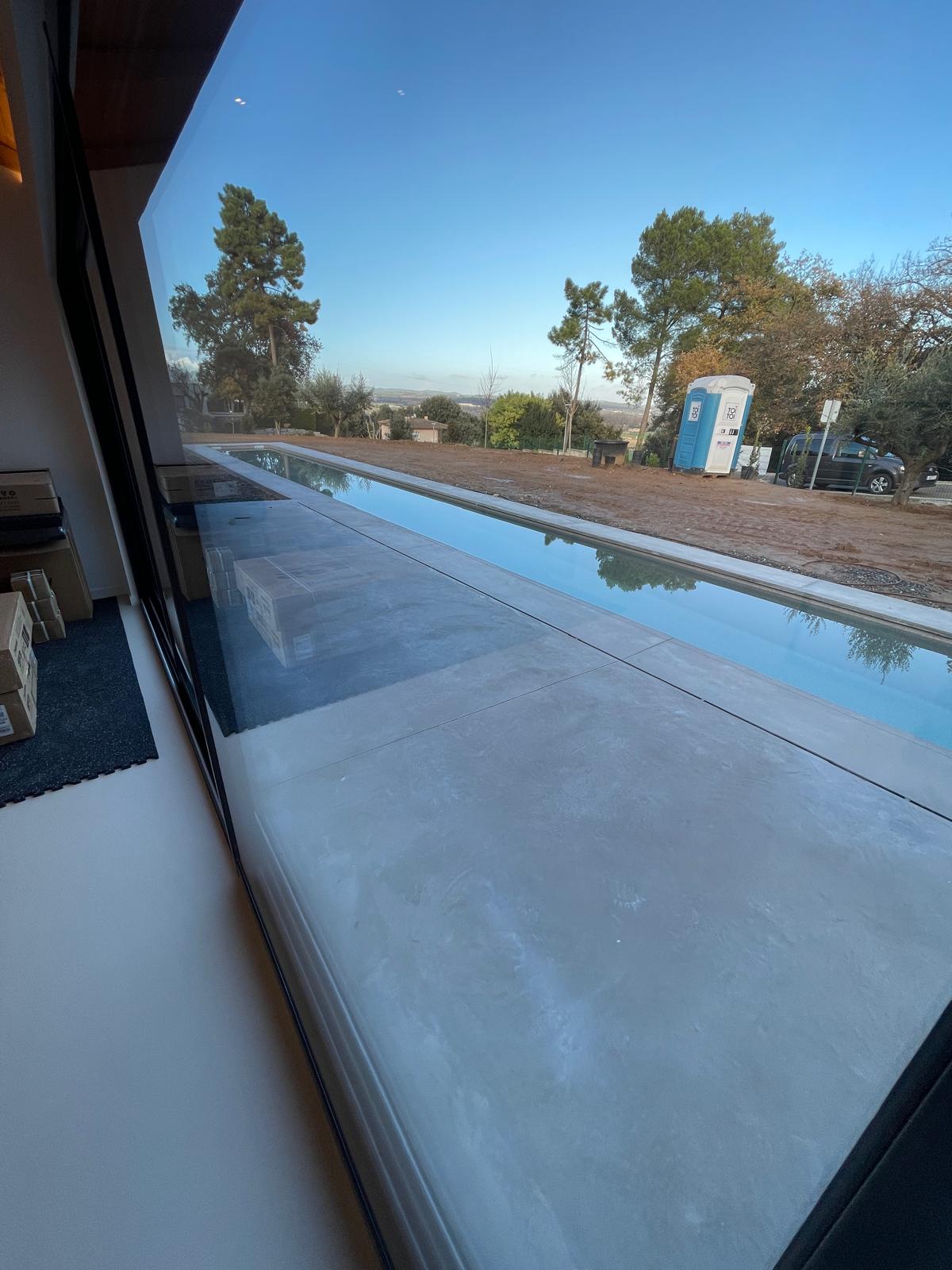
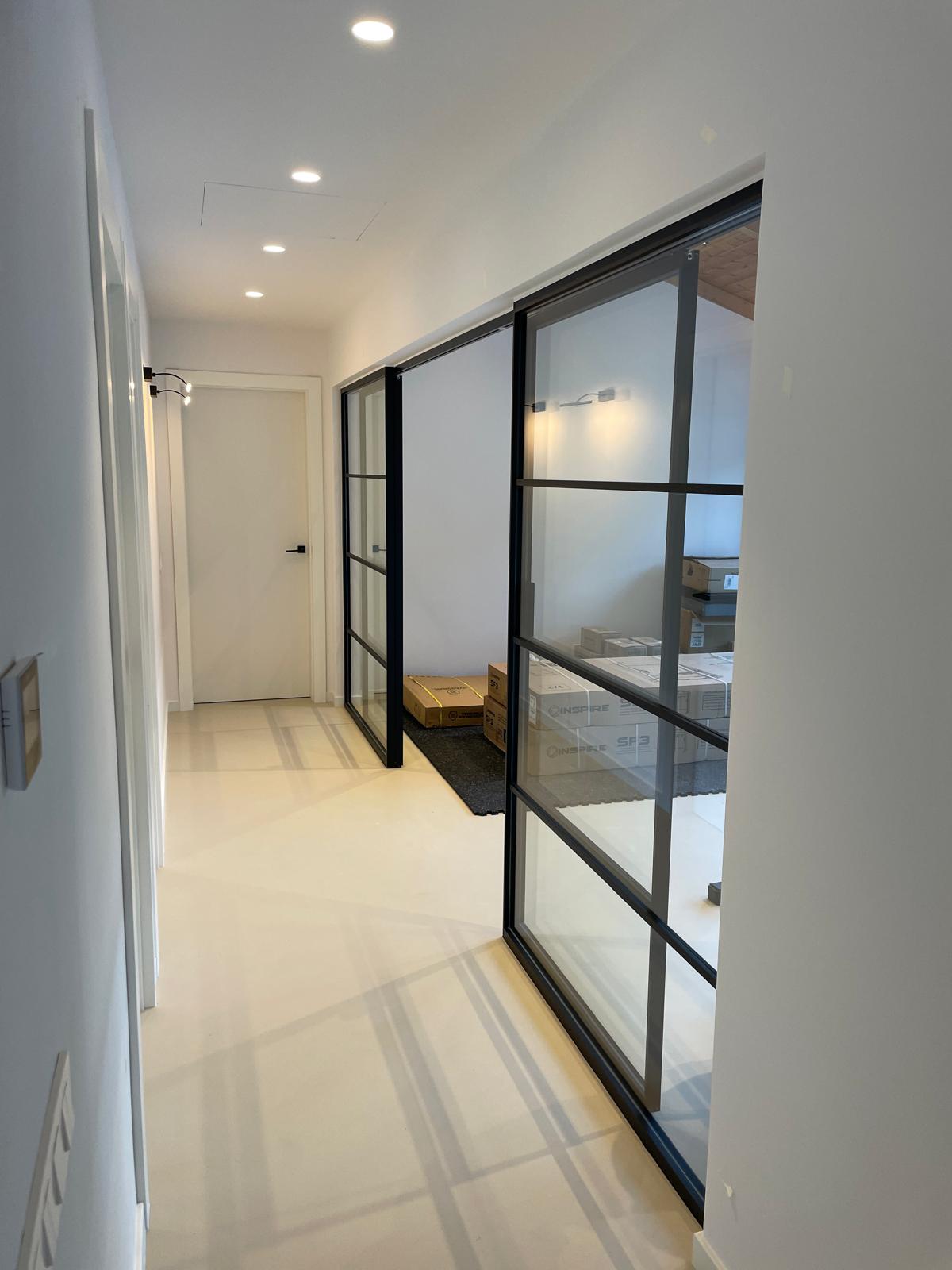
As John, I was struck by the logic behind the floor plan. “Guilhem built the rest of the house around the gym,” I noted during our talk. “Because their lifestyle, they are very sportive… they love swimming, they love cycling, they love running. So they asked, ‘we live like that, we need this.’ So I thought that the heart of the house should be the gym.” In this villa, the gym isn’t a dark basement afterthought. It features three panoramic windows that look out over the swimming pool and the mountains. It serves as a reminder that a truly bespoke home should reflect your daily habits. If you start every morning with a swim or a session on the bike, why would you tuck those spaces away in a corner?
From 20-Metre Pools to “Adult” Requests
When you ask an architect and a builder about their career highlights, you expect to hear about load-bearing walls or thermal efficiency. But the human element is far more entertaining. When I asked the pair about their most unusual requests, the answers ranged from the athletic to the “private.”
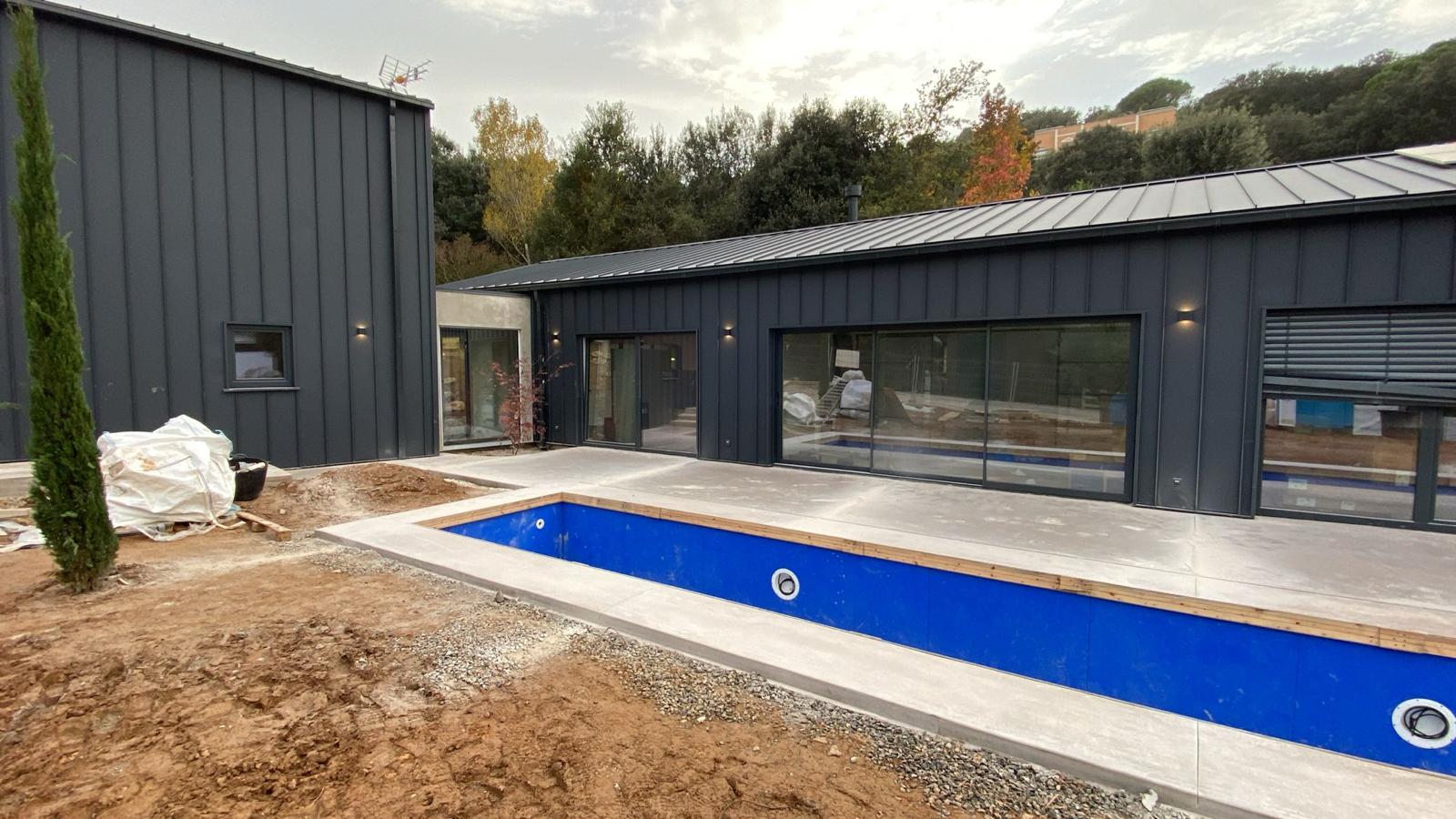
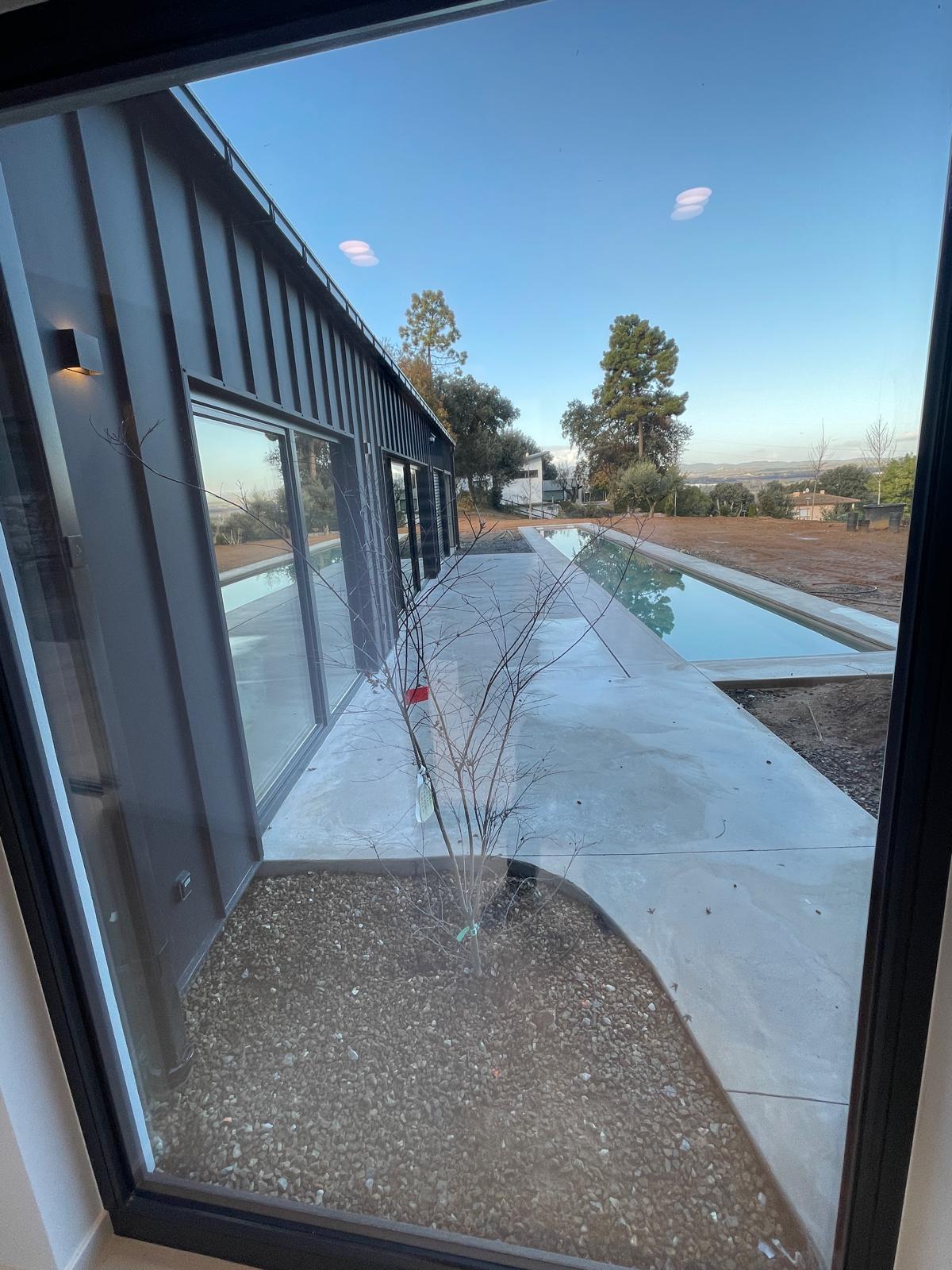
Guilhem mentioned a couple who requested a dedicated sex room, proving that “bespoke” truly means whatever the client desires. Marius, on the other hand, pointed to the physical challenges of the current build: a 20-metre by 2-metre swimming pool. While it might look like a narrow strip to some, for a serious swimmer, it is a professional-grade training lane.
The lesson here is simple: do not be afraid to ask for what you actually want. Whether it is a niche hobby space or a specific layout for your morning routine, the team is there to make the architecture bend to your life, not the other way around.
Timber Frames and the “Northern” Efficiency
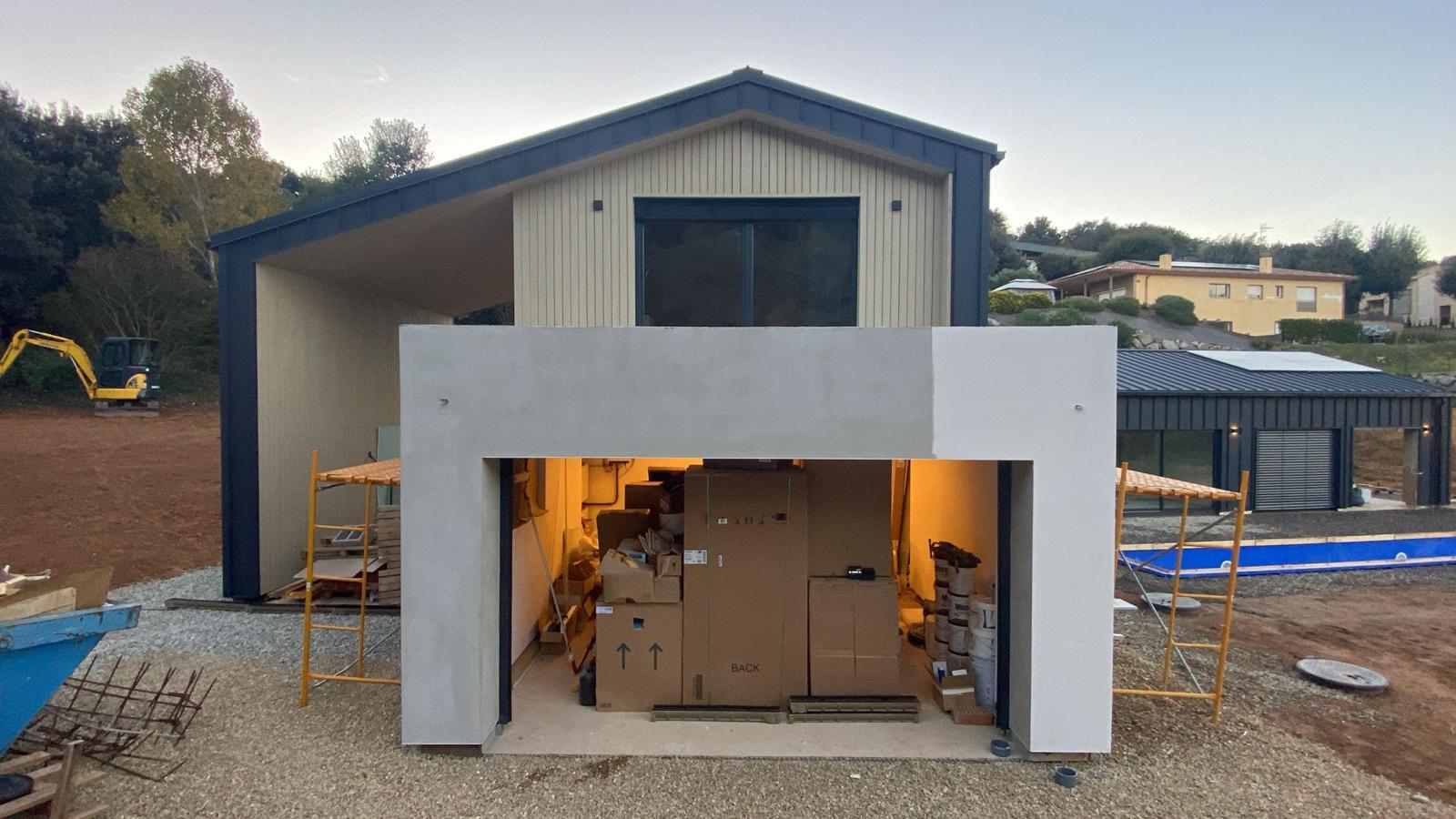
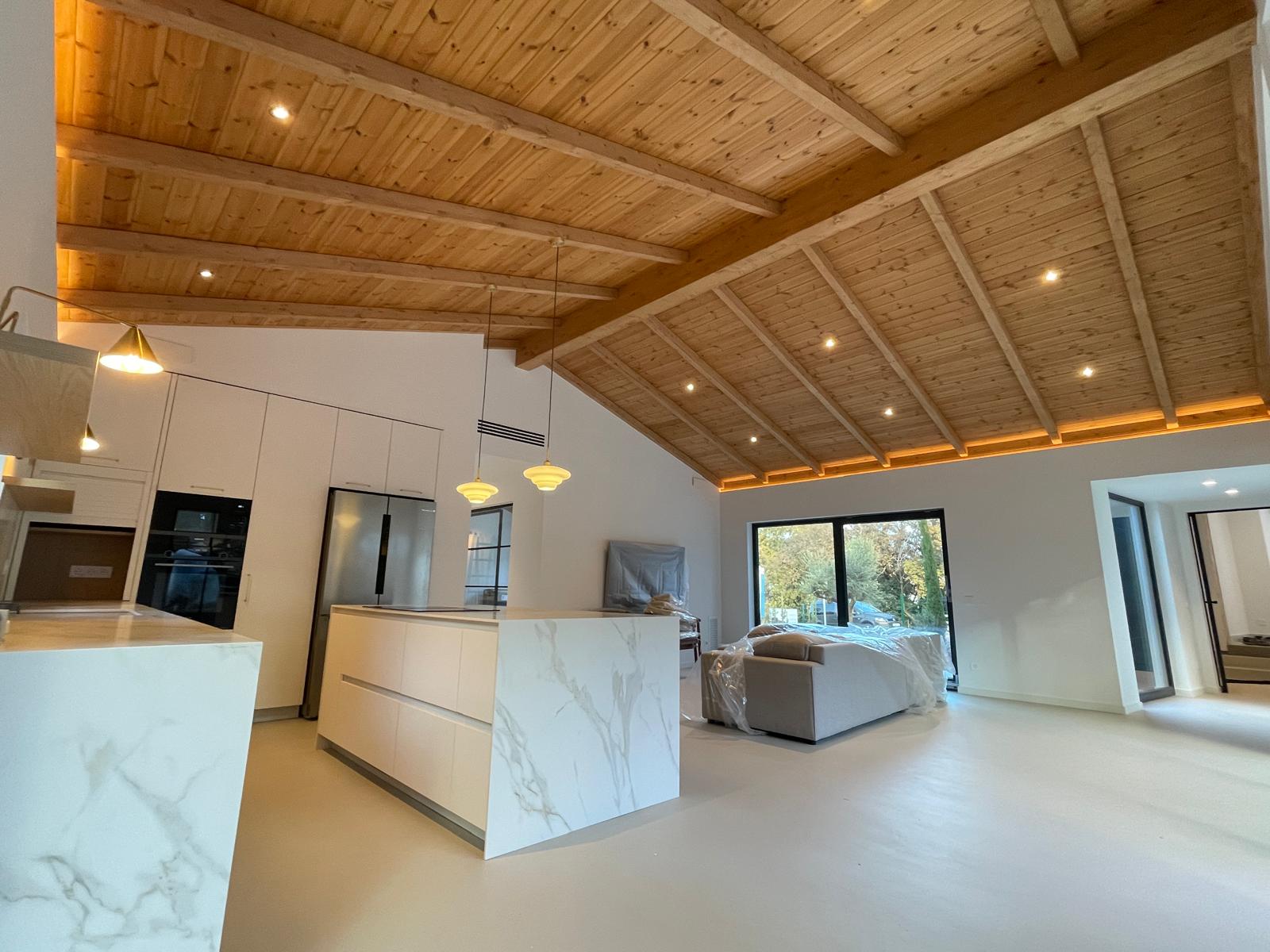
One of the most interesting parts of the conversation revolved around the actual “bones” of the house. In Spain, traditional brick and concrete have been the standard for decades. However, Eco Vida Homes often utilises timber-frame systems, a method much more common in the UK, Scandinavia, and North America.
Marius noted that international clients often arrive with a much higher “construction IQ” regarding these systems. They are looking for quality and living comfort rather than just following local tradition for the sake of it. Timber-frame builds offer superior insulation and faster build times, which is essential when you are trying to manage a budget in a fluctuating economy.
The “Pain in the Ass” of Spanish Bureaucracy
We cannot talk about building in Spain without mentioning the elephant in the room: the paperwork. Spain is famous for its “Mañana” culture, but when it comes to building licences, that “tomorrow” can sometimes be eighteen months away.
Marius was refreshingly blunt about the situation. “Here in Spain, as Marius says, bureaucracy, it’s a pain in the ass. It has no limits,” he explained.
This is where many people come a cropper. They buy a “cheap” plot of land in a rustic area, only to find out later that the local council will never grant a building licence, or that the cost of bringing utilities to the site is more than the land itself.
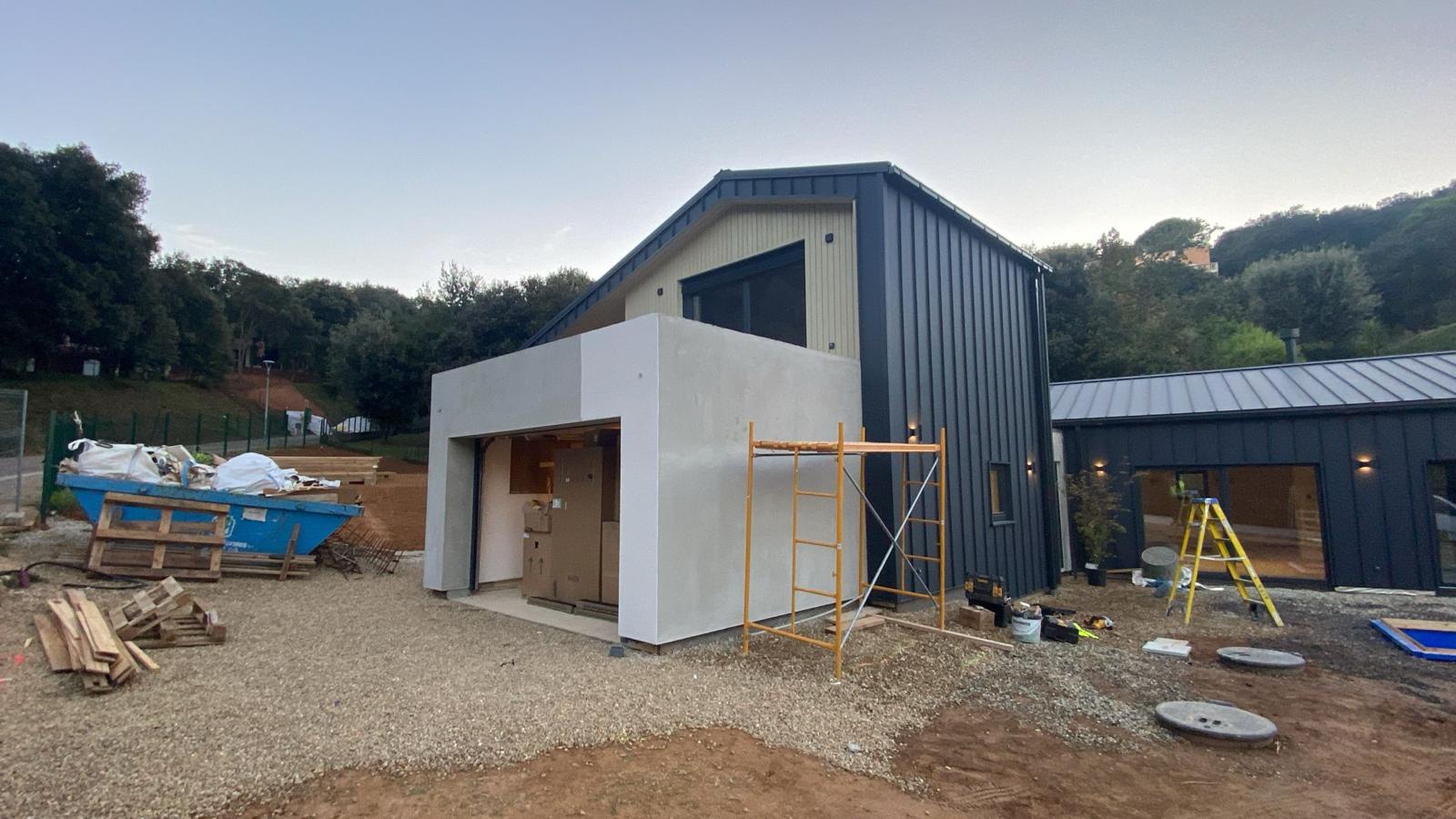
At Eco Vida Homes, we advocate for a “survey before you buy” approach. Our plot assessment service is designed to tell you exactly what you are getting into. Sometimes, moving just 10 kilometres down the road can mean the difference between starting your build in three months versus two years. In the world of construction, time truly is money.
Transparency: Eliminating the “Spanish Surprise”
The fear of a “money pit” is what keeps most potential builders awake at night. We have all heard the horror stories of budgets doubling halfway through a project. Our philosophy is built on a specific “method” that John introduced to ensure everyone stays on the same page. We provide a spreadsheet that tracks every single cent. This includes the build cost, architect fees, the licence, the notary, the registry, and even the utility connection fees.
As the team explained, there will be no surprises unless the client going to want to change something. By conducting geotechnical surveys before the first stone is laid, we can account for soil quality and foundation requirements upfront. It is about being “straight down the middle” with the figures so that the joy of the build isn’t overshadowed by financial stress.
Why Your Architect Should Be Your Best Friend
A common mistake is hiring an architect who wants to build a monument to themselves rather than a home for you. Marius pointed out that Guilhem’s greatest strength is his responsibility. He is not the kind of architect who tries to take the client to his way just because he is comfortable with it or wants to earn more money.
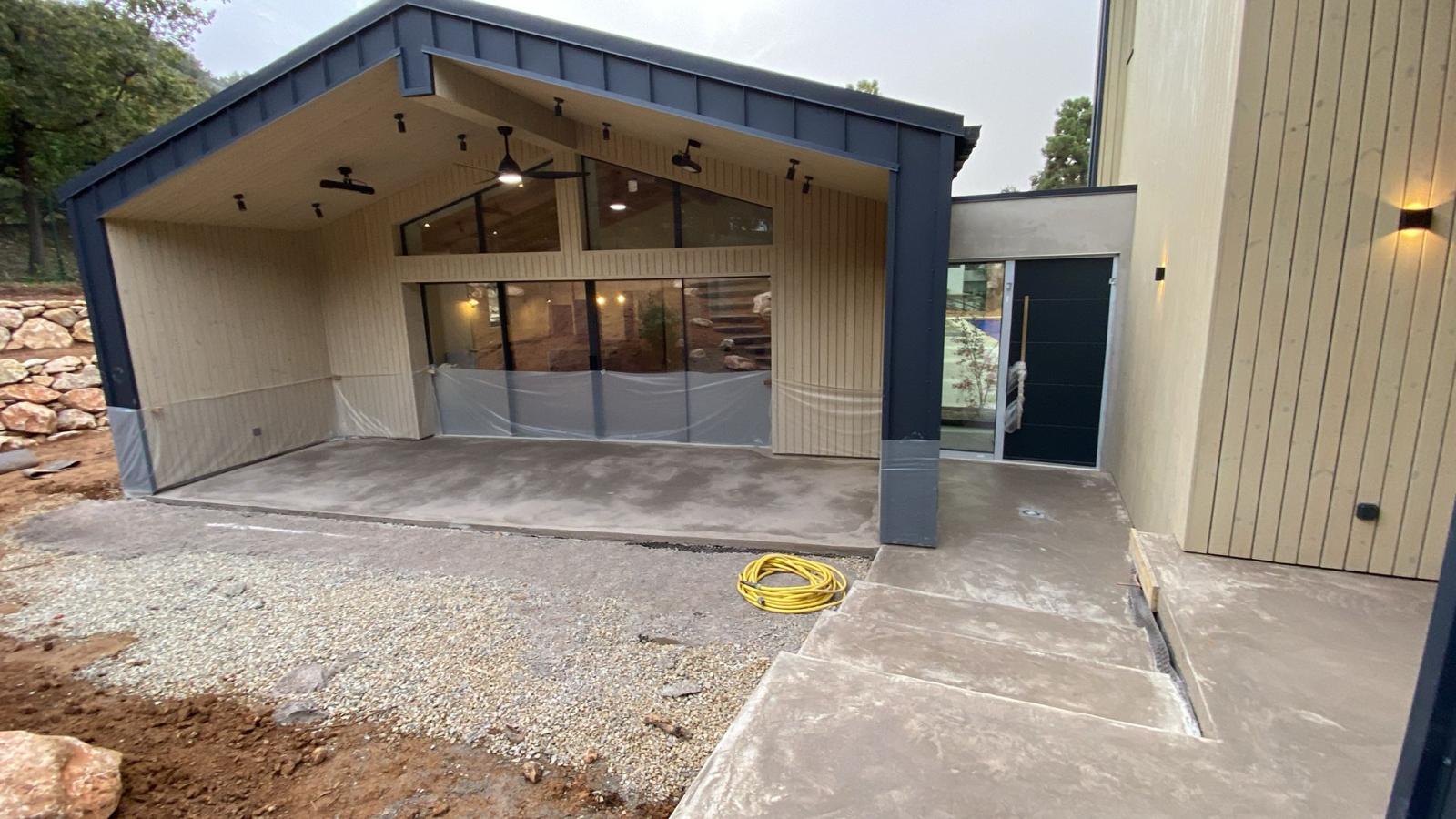
Instead, he becomes the best friend of the client. He listens. He involves himself in your hobbies. If you want a house that accommodates your four-season lifestyle (like the heaters and ventilators we installed on this terrace), he finds a way to make it look authentic and natural.
The Reward of the “One Month Later” Visit
Building a house is a long-distance race, not a sprint. It takes patience, a bit of a thick skin for the bureaucracy, and a team you actually like spending time with. For Marius and Guilhem, the reward isn’t the final payment. It is the visit they make two months after the clients have moved in.
Seeing how a family actually uses the space is what makes the job worthwhile. They don’t just build “straight-angle houses” because it’s easier. They involve themselves in the client’s hobbies and lifestyle to ensure the house feels like an extension of the person living in it.
Watch the Full Behind-the-Scenes Tour
This interview was recorded on-site, surrounded by the actual textures and views we discussed. While this blog covers the highlights, there is nothing like seeing the 20-metre pool and the panoramic gym windows for yourself to understand the scale of what is possible.
Whether you’re thinking about building, moving to Spain, or just curious about how a bespoke home comes together, this one is worth your time.
Planning your dream villa in Spain?
Whether you’ve already got a plot or you’re just starting to explore the possibilities, a call with John, our founder and British Chartered Surveyor, is the perfect place to begin. No pressure – just expert guidance from someone who’s been helping people build in Spain for over 30 years.
👉 [Book Your Free Discovery Call]
Let’s explore how your dream home could take shape.
Book a private consultation
A confidential, no-pressure conversation to see if we’re the right fit.
