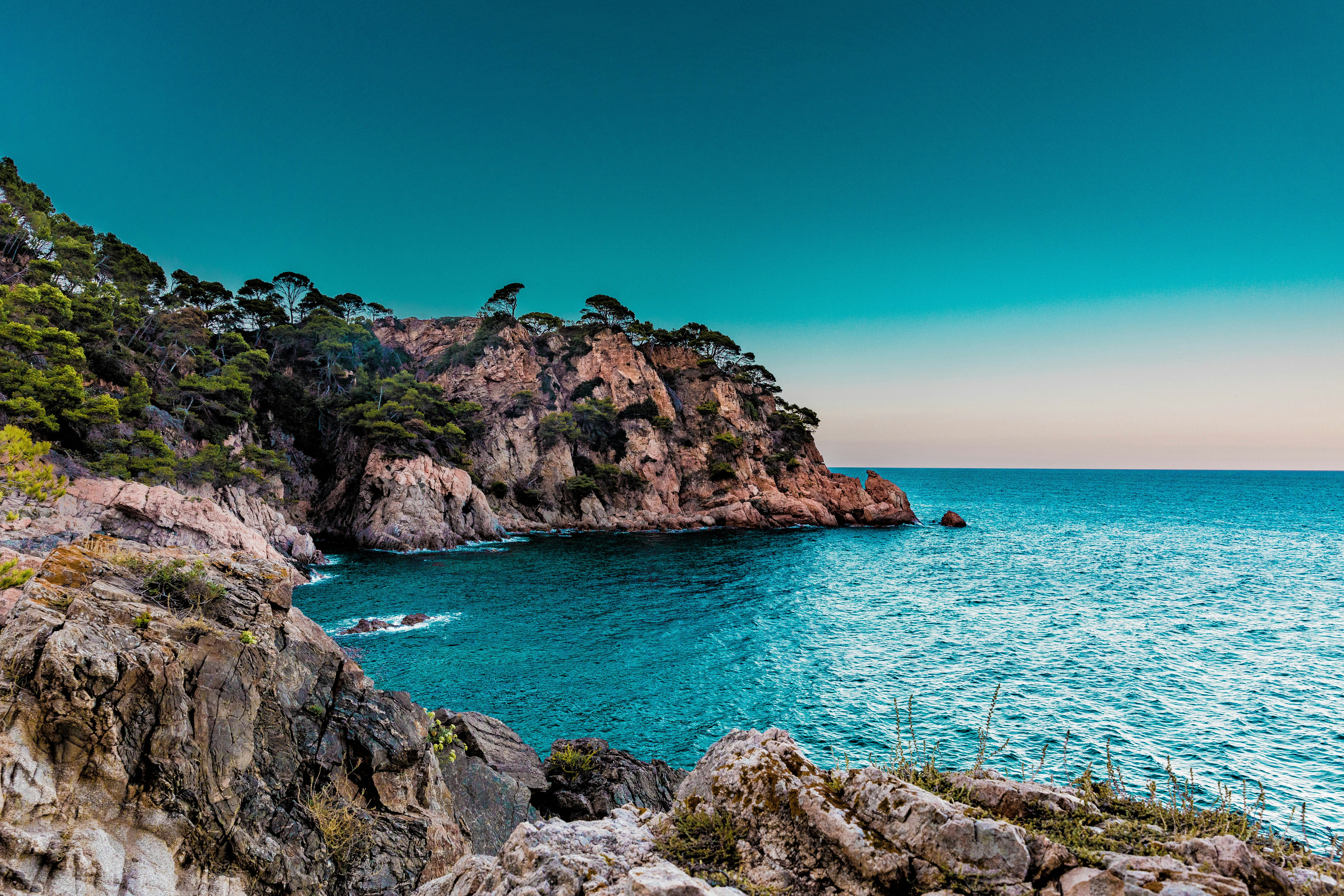
Thinking about building a villa in Spain? Discover what international buyers need to know, common pitfalls, and how experience simplifies the process.

A Practical Guide for International Buyers Building in Spain
For many people in Northern Europe or North America, the idea of building a villa in Spain begins with a simple image. A terrace overlooking the landscape, long evenings with family and friends, and a home designed specifically for the Mediterranean climate.
For international buyers building in Spain, however, that dream is often followed by a practical question. How do you actually design and build a home in a country with a different language, legal system and construction culture?
The answer lies in understanding a few key principles that successful projects share. From lifestyle led design to reliability and energy efficiency, these ideas shape the way modern villas are created in Spain.
Start with Lifestyle, Not Floor Plans
When people begin thinking about building a home, the conversation often starts with square metres. Bedrooms, bathrooms, storage and parking spaces.
While those elements matter, they are not the most important place to begin.
The real starting point is lifestyle.
As John Wolfendale often explains when working with clients, “Everything is a feeling. Reading a book is a feeling. Having a meal is a feeling.”
It is a simple observation but a useful one. The spaces in a home should support the way you want to live.
Perhaps it is a kitchen island where friends gather while cooking. Maybe it is a quiet studio filled with natural light. Or a shaded terrace where the evening sun disappears over the hills.
These moments are what give a home its character.
In Spain the connection between lifestyle and design is especially important because the climate encourages a different rhythm of life. Outdoor spaces become extensions of the interior. Terraces, patios and gardens are not decorative extras but part of daily living.
When the design process begins with lifestyle, the architecture naturally follows.
Navigating the Spanish System for International Buyers Building in Spain
Spain is a welcoming country for international buyers and property rights are the same regardless of nationality. However, building a home still involves navigating regulations, permits and professional teams.
For someone unfamiliar with the Spanish system this can feel daunting.
Planning rules vary between municipalities. Technical documentation is usually in Spanish. Construction projects involve architects, technical architects, engineers and contractors, each with specific responsibilities.
This is where local knowledge becomes invaluable.
John Wolfendale, founder of Eco Vida Homes, brings a useful perspective. As he often says, “I’m a foreigner like you. But the difference is that I’m integrated here.”
Having lived and worked in Spain for more than thirty years, he understands both the expectations of international clients and the practical realities of the Spanish construction industry.
That dual perspective allows projects to run smoothly. Clients receive clear explanations of how things work while the professional team handles the technical and administrative aspects of the build.
Reliability Is the Foundation of a Successful Project
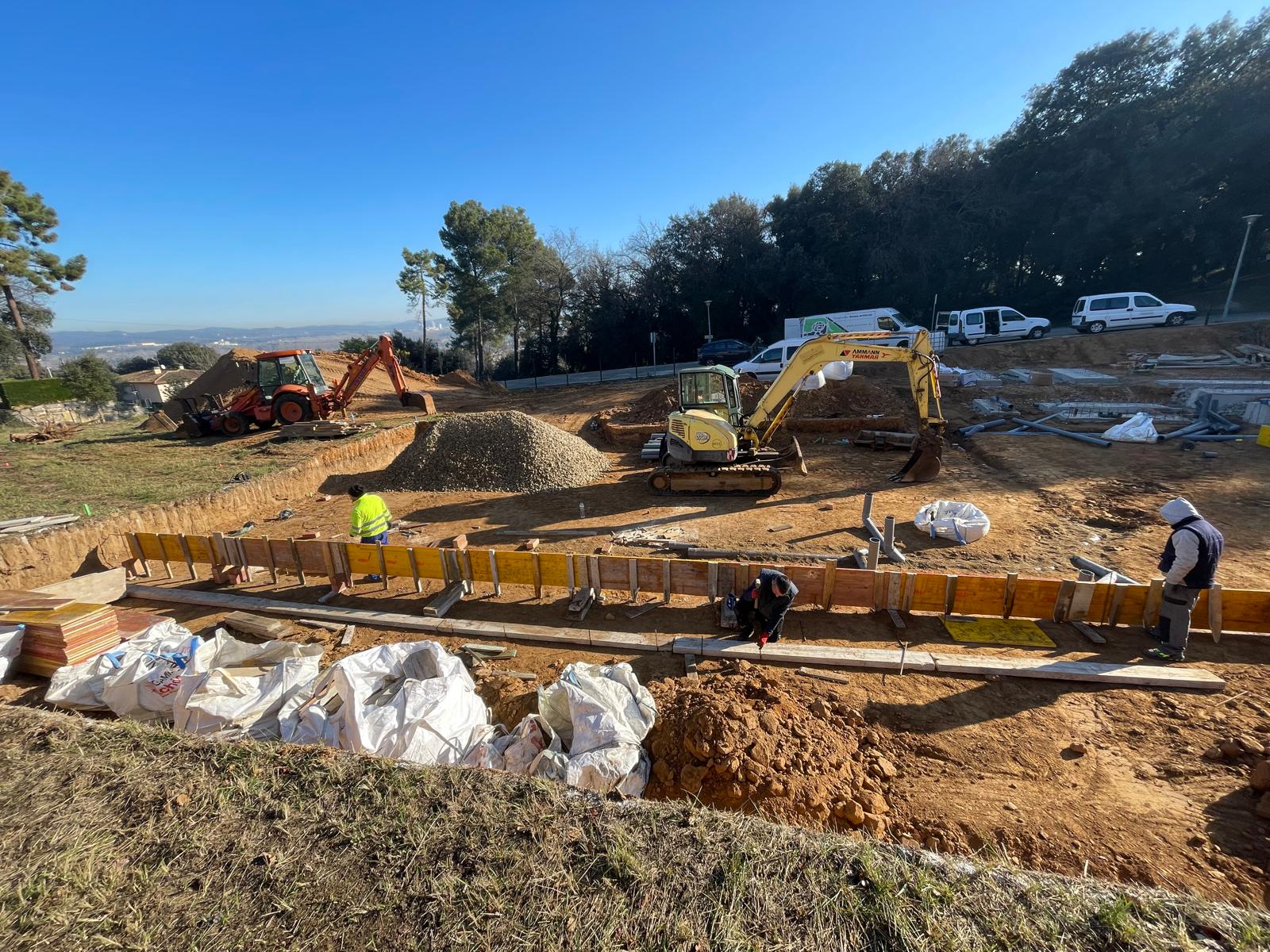
Designing and building a villa involves a surprising number of decisions. Materials, suppliers, planning requirements, engineering details and construction schedules all need careful coordination.
Even small misunderstandings can lead to delays or additional costs.
This is why reliability is one of the most important qualities in any design and build team.
John summarises it in straightforward terms. “Do what you say you are going to do.”
It sounds obvious, but anyone who has watched a construction project unfold will recognise how easily communication can slip. A clear process, trusted professionals and transparent decision making help keep everything on track.
At Eco Vida Homes, projects are structured so that each stage flows logically into the next. Early design discussions lead into cost estimates, detailed specifications and finally construction. The aim is to anticipate problems before they arise rather than react to them later.
It may not be glamorous, but careful planning is often the difference between a stressful project and an enjoyable one.
Building Homes That Are Comfortable All Year Round
A villa in Spain should not only look appealing. It should also perform well throughout the year.
Modern design increasingly focuses on energy efficiency and indoor comfort. One of the most effective approaches is based on Passive House principles.
These principles include high levels of insulation, careful solar orientation, airtight construction and mechanical ventilation systems that maintain fresh air without wasting energy.
The result is a house that maintains a stable temperature throughout the seasons.
As John often explains, the aim is to create homes that are “warm in winter, cool in summer, without burning money or fossil fuels.”
Renewable energy systems such as photovoltaic panels and heat pumps are often incorporated as well. Combined with good design, they significantly reduce energy consumption while maintaining comfort.
With rising energy prices across Europe and increasing attention on environmental standards, energy efficient homes are becoming not only more comfortable but also more valuable in the long term.
Designing for the Mediterranean Climate
One of the pleasures of living in Spain is the climate. Yet it also presents design challenges.
On the Mediterranean coast the weather is mild for much of the year. Homes can open towards terraces and gardens, creating seamless indoor and outdoor spaces.
Further inland, however, the climate becomes more continental. Summers can be extremely hot and winters surprisingly cool.
Good architecture responds to these conditions.
Shaded terraces protect living areas from direct sun. Carefully positioned windows capture winter sunlight while avoiding overheating in summer. Ventilation systems maintain fresh air while retaining indoor comfort.
The goal is to design homes that feel naturally comfortable rather than relying heavily on mechanical heating and cooling.
When done well, the house works with the climate rather than against it.

Turning an Idea into a Home
Building a villa in Spain is both a technical project and a personal journey. It involves regulations, engineering and construction expertise, but it also reflects the lifestyle and aspirations of the people who will live there.
For international clients, having the right professional guidance makes all the difference. Clear communication, reliable teams and thoughtful design allow the process to move forward with confidence.
The result is not simply a house, but a home shaped around how you want to live.
Spain has long been a place where people come to enjoy life at a slightly different pace. Des
Planning your dream villa in Spain?
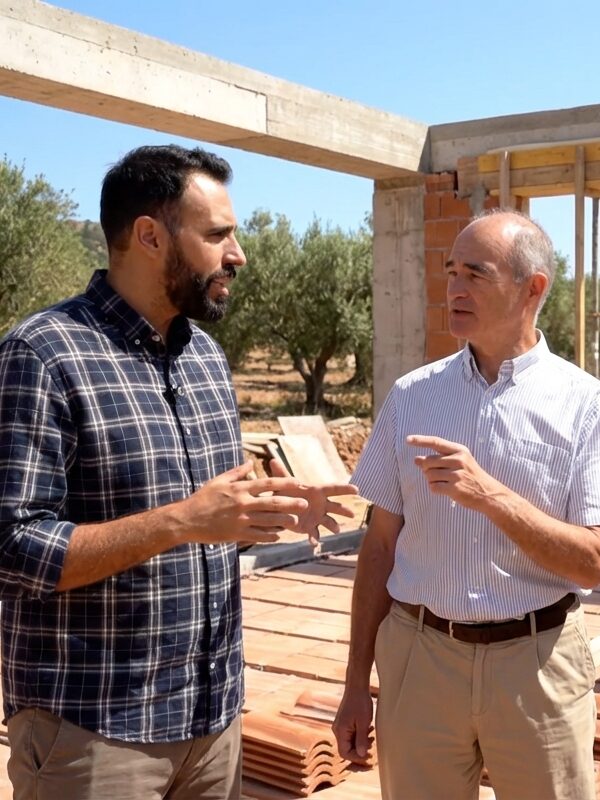
Whether you’ve already got a plot or you’re just starting to explore the possibilities, a call with John, our founder and British Chartered Surveyor, is the perfect place to begin. No pressure – just expert guidance from someone who’s been helping people build in Spain for over 30 years.
👉 [Book Your Free Discovery Call]
Let’s explore how your dream home could take shape.

Make an appointment
Use the link below to book an initial consultation.
